Best Time Of Year For A Wild Dolphin Swim
The two South Australian dolphin swim operators run on different calendars, so the best time of year depends less on the dolphins and more on which coast you want to swim from.
Short answer
The Glenelg swim runs September to April and stops completely between May and August, per the operator. Kangaroo Island Ocean Safari swims year-round, with dolphins present year-round and seals peaking in winter. Sea temperature off Adelaide ranges from around 14 °C in August to around 21 °C in February, per seatemperature.org.
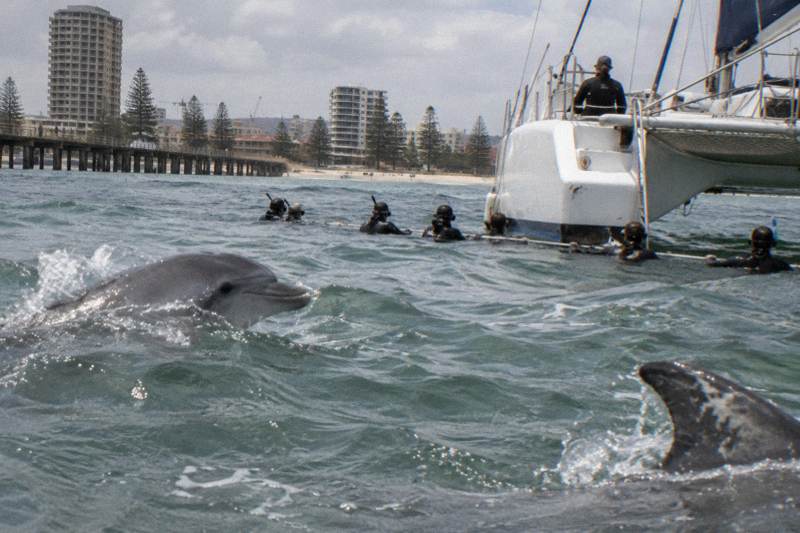
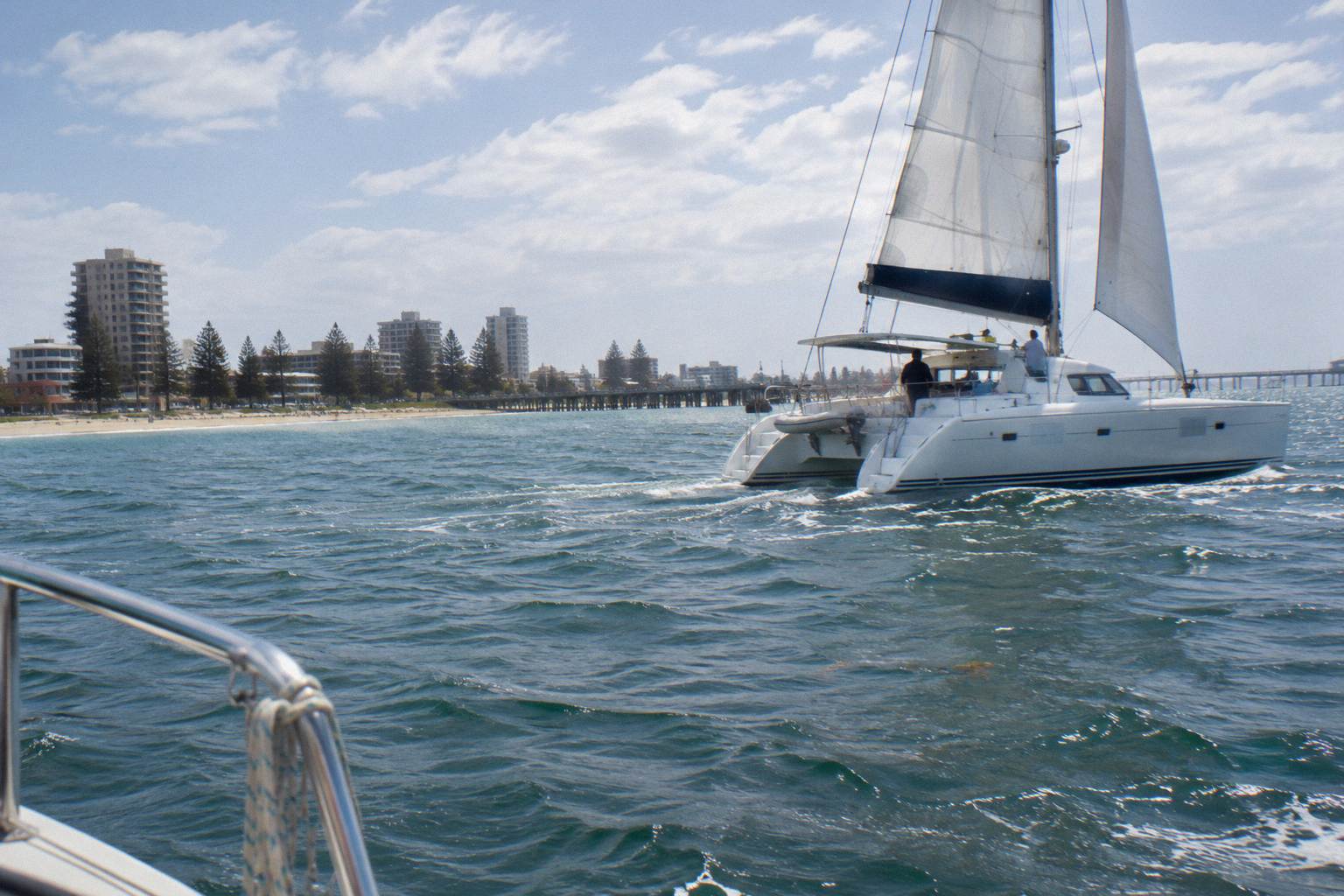
Dolphins swim off the South Australian coast in every month of the year. The constraint on your calendar is not the animals: it is the operators. The Glenelg swim, run from Marina Pier at Holdfast Shores on a 58 ft sailing catamaran that the operator describes as surveyed for up to 50 passengers, operates September to April and does not run at all between May and August, per the operator's own FAQ. The Kangaroo Island Ocean Safari snorkelling safari, by contrast, runs in every month, with the operator stating that dolphins are present year-round in the waters around Kangaroo Island and that thick wetsuits allow the swim year-round.
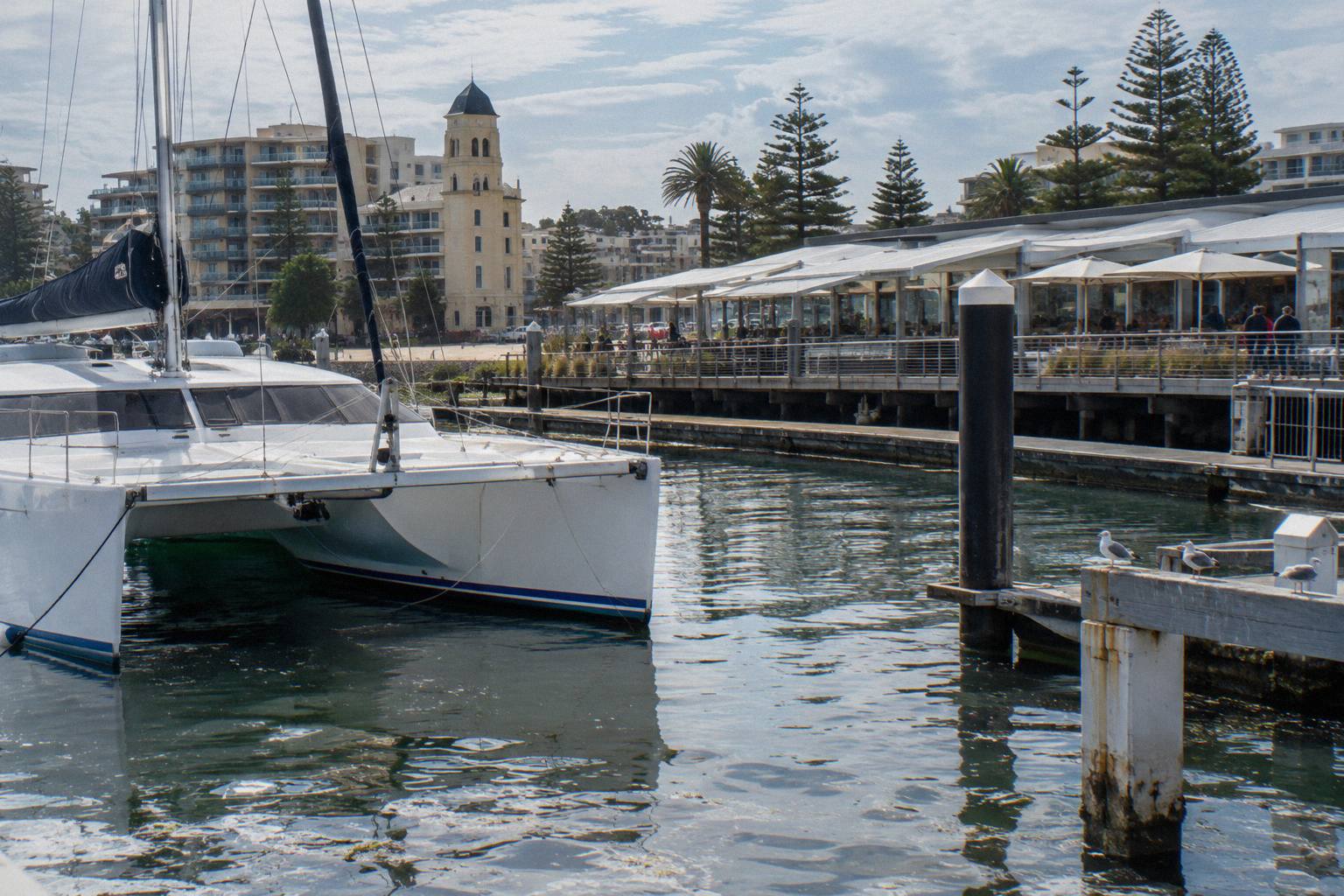
So the honest answer to when to go is really two answers. If you want the half-day sail from Adelaide, your window is the warmer half of the year, and the boat boards at the bottom of the stairs in front of the Oyster Bar at Marina Pier, with boarding starting 15 minutes before a morning departure. If your dates fall in the cooler months, or you are already planning time on Kangaroo Island, the Penneshaw-based safari is the swim that keeps running. This page lays out both calendars, the water temperatures month by month, what the algal bloom testing summary currently shows, and how to match a month to the kind of trip you actually want.
When Do Dolphin Swims Run In South Australia?
Two swim operators cover the state, and their calendars barely overlap in character. Temptation Sailing runs its Glenelg wild dolphin swim from September to April and does not operate cruises during the cooler months of May to August. Kangaroo Island Ocean Safari runs its two-hour snorkelling safari year-round from Penneshaw, with the operator confirming dolphins are present around the island in every season.
The Glenelg season, in the operator's words, "operates between September and April and our off season is between May and August - we do not operate our cruises during the cooler months." That is a hard stop, not a reduced schedule. The operator describes the trip as approximately four hours with a morning departure and a return to the marina between 11:30am and midday, so in-season booking means setting aside a half day. The departure clock time appears on your booking confirmation rather than in any published timetable, which is worth knowing when you plan the rest of the day around it. The operator states it has run dolphin swim and watch tours from Glenelg since 2002 and calls itself the first vessel in South Australia given a licence to swim with dolphins, though that history is its own claim.
Kangaroo Island's calendar has no closed months. The operator's FAQ says dolphins are present year-round in the island's waters, and its snorkel safari page says thick wetsuits allow participation year-round, with water temperature described by the operator as between 14 and 15 degrees. One seasonal wrinkle matters if seals are part of the draw: the operator says seals peak in winter and are at their lowest from November to January. The tour is billed as "swim with wild dolphins OR among seals," and the page is explicit that any given trip may turn out to be dolphins only, seals only, or a coastal snorkel. For travellers weighing the two coasts against each other, the site's comparison of swimming with dolphins on Kangaroo Island or from Glenelg works through the full set of trade-offs.
| Operator | Base | Swim window | Notes on the calendar |
|---|---|---|---|
| Temptation Sailing (Glenelg) | Marina Pier, Holdfast Shores Marina, Glenelg | September to April | No cruises May to August, per the operator's FAQ |
| Kangaroo Island Ocean Safari | Kangaroo Island Information Stop, 43 Howard Drive, Penneshaw | Year-round | Dolphins present year-round; seals peak in winter, lowest November to January (operator) |
For most travellers the month choice starts here. A spring trip from the city, a summer holiday period, an autumn long weekend: all work for Glenelg. A winter visit to the state, or a ferry-first itinerary, points at Kangaroo Island. Meeting logistics differ too. The island operator asks swimmers to arrive at the Kangaroo Island Information Stop 30 minutes before departure for wetsuit fitting and a safety brief, and its home page notes the base is close to the SeaLink ferry, so the timing of your crossing feeds directly into which departure you can make.
How Warm Is The Water, Month By Month?
Sea surface temperature off Adelaide, as listed by seatemperature.org for generic Adelaide water, runs from a monthly average of 21.2 °C in February down to 13.7 °C in August, climbing back through 15.7 °C in October and 18.0 °C in November. Both swim operators supply full wetsuits, so the number shapes comfort rather than feasibility.
The monthly pattern matters more than any single reading. Water off Adelaide peaks in late summer at 21.1 °C in January and 21.2 °C in February, holds above 19 °C through April, then falls steadily to a winter floor of 13.7 °C in August. September sits at 14.4 °C, October at 15.7 °C, and November at 18.0 °C, which is why the Glenelg season opener in September is a cooler-water experience than a February sail even though both are inside the operator's window.
| Month | Average sea temperature (C), seatemperature.org | Inside the Glenelg swim season? |
|---|---|---|
| January | 21.1 | Yes |
| February | 21.2 | Yes |
| March | 20.7 | Yes |
| April | 19.4 | Yes |
| May | 17.6 | No, off season |
| June | 15.3 | No, off season |
| July | 13.9 | No, off season |
| August | 13.7 | No, off season |
| September | 14.4 | Yes, season opens |
| October | 15.7 | Yes |
| November | 18.0 | Yes |
| December | 19.7 | Yes |
Two caveats keep this honest. First, these are generic Adelaide figures from seatemperature.org, not Glenelg or Kangaroo Island spot readings, and they should be attributed that way in your planning. Second, the Kangaroo Island operator quotes its own figure of 14 to 15 degrees with no month attached, which is consistent with the cooler end of the Adelaide range and, on that coast, with a year-round operation. Neither operator leaves you to manage the cold alone: Temptation fits each swimmer with a full-length 5 mm wetsuit that the operator says also acts as a full-body flotation device, with wetsuits available up to size 4XL, and the island safari provides wetsuit, gloves, mask, snorkel and fins. If the cold-water question is your main worry, the site's page on wetsuits and water temperature on a dolphin swim works through it in detail.
What Does Each Part Of The Season Mean For Booking?
Spring, from September to November, is the shoulder of the Glenelg season: the water is cooler, from 14.4 °C in September to 18.0 °C in November, and the operator's calendar has just reopened. Summer, December to February, brings the warmest water. Autumn, March and April, closes the window with water still 19 °C or above before the May shutdown.
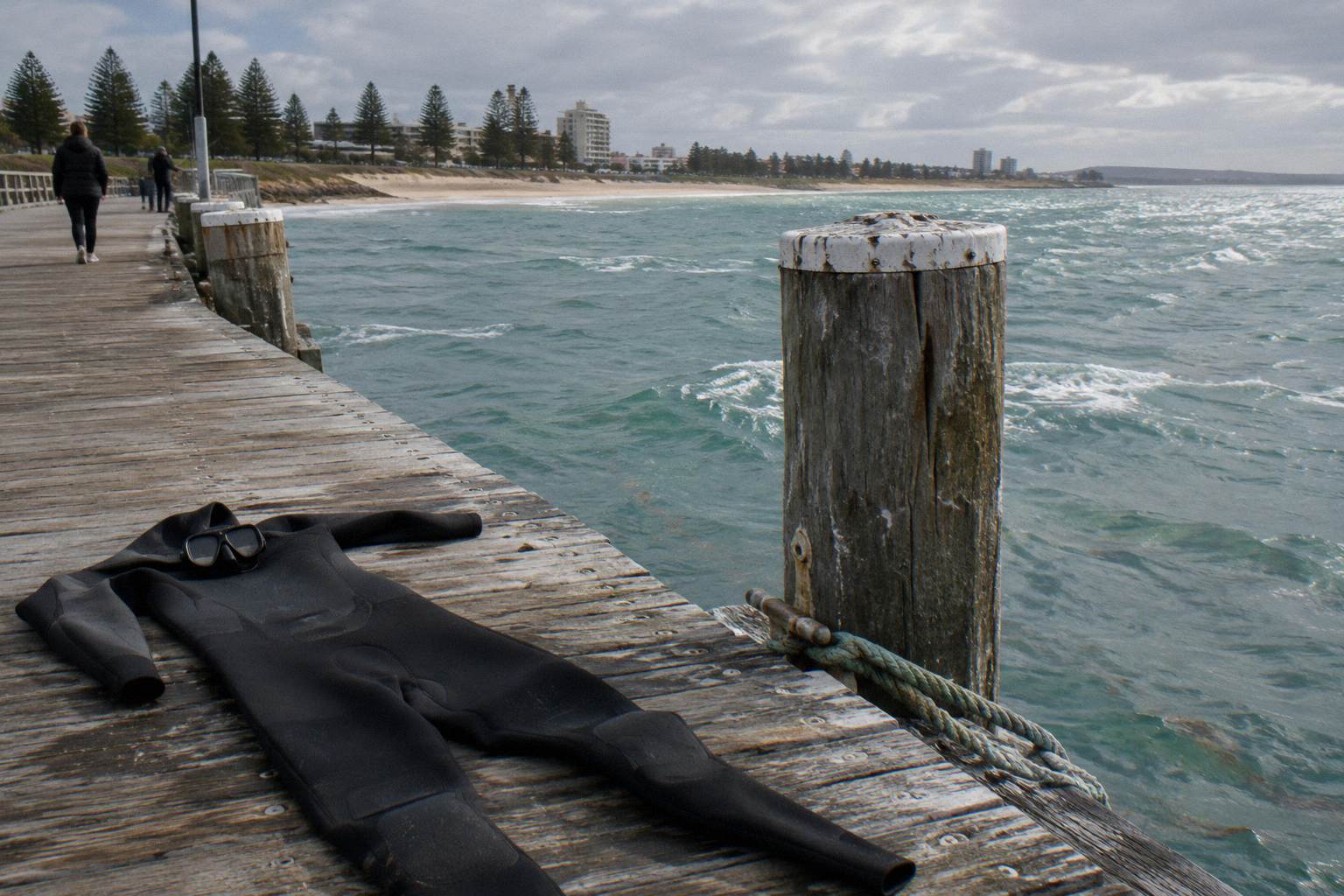
September and October are the months where the season restarts and the water has not caught up. A September swimmer on the Glenelg trip is entering 14 C-class water in a 5 mm wetsuit, which is entirely normal for the operator's format but worth knowing before you book. November, at 18.0 °C on the seatemperature.org averages, is the first Glenelg month that feels broadly temperate. On Kangaroo Island the same months sit inside the operator's seal low season, from November to January, so a spring island swim leans more toward dolphins than seals.
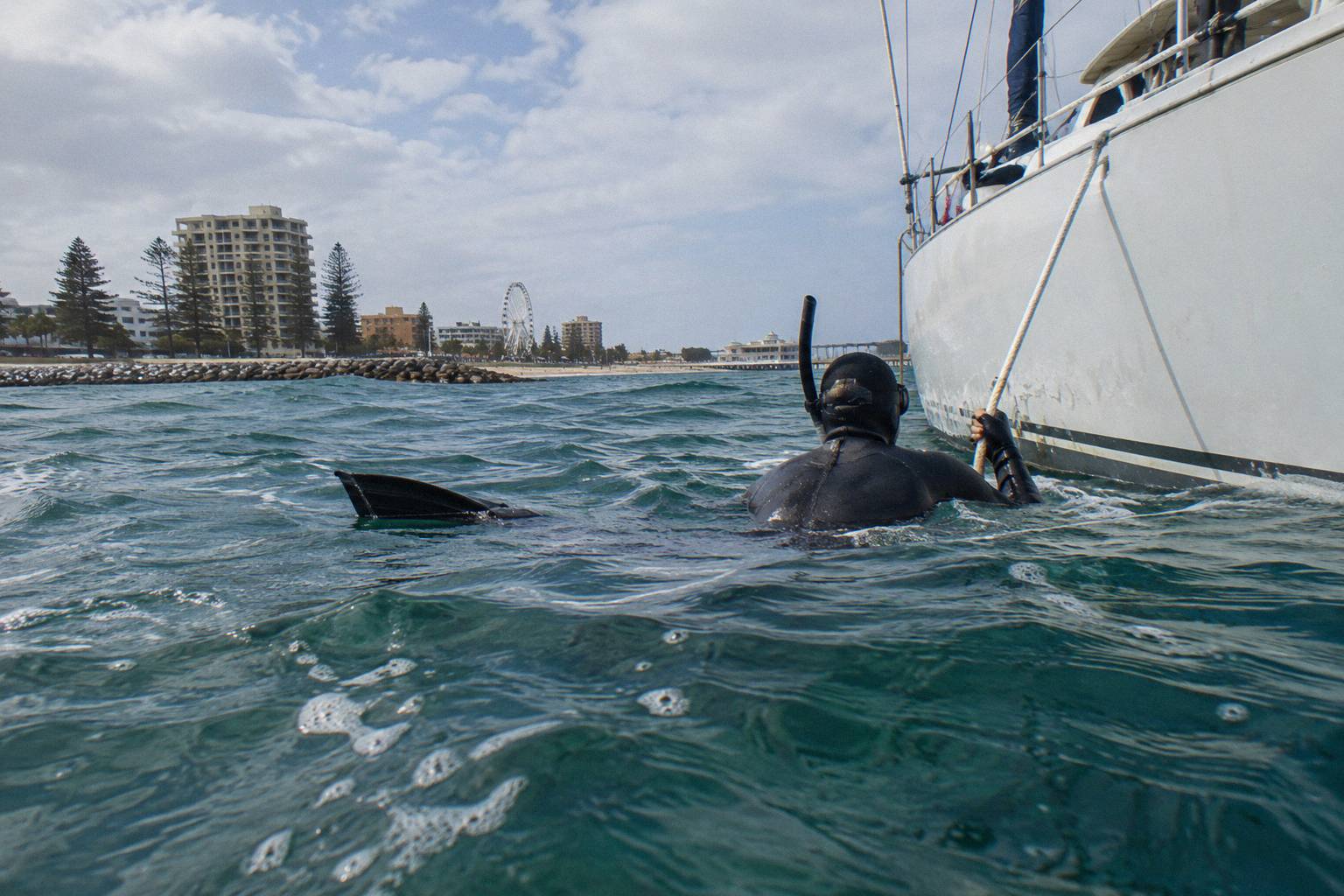
Summer is the warmest and most booked half of the window. Water off Adelaide averages 19.7 °C in December, 21.1 °C in January and 21.2 °C in February, the annual peak. The operator's FAQ notes that tours still run on hot days and that temperatures on the water are often 3 to 4 °C cooler than on land, and its heat policy allows a reschedule only with 24 hours or more notice. Neither of those is a reason to avoid summer, but both are worth carrying into the date you choose. Summer is also when seasickness questions surface most often, since warm-land days can still mean a moving boat; the operator's policy is that seasickness carries no refund, and it suggests tablets 30 minutes before departure. The site's guide to seasickness and boat comfort on a dolphin swim covers the topic properly.
Autumn is the quiet close of the calendar: 20.7 °C in March, 19.4 °C in April, then no Glenelg swim at all until September. If your travel dates are flexible to the month rather than the day, the practical spread is between water warmth (February) and shoulder-season availability (October, March). How far ahead you need to reserve is its own question, and the site's guide on how far ahead to book a dolphin swim treats it separately.
| Period | Glenelg swim (September to April) | Kangaroo Island swim (year-round) | What it means for a date |
|---|---|---|---|
| September to October | Season opens, water 14.4 to 15.7 °C | Running, seals heading toward their low period | Cooler water, fresh calendar |
| November to February | Peak water warmth, 18.0 to 21.2 °C | Running, seals lowest November to January (operator) | Warmest swimming, busiest months |
| March to April | Final months, 20.7 to 19.4 °C | Running, seals rebuilding toward winter | Warm water, season closing |
| May to August | Not running, off season | Running, seals peak in winter (operator) | Island-only for a swim |
One booking detail that changes with the season is the cancellation risk around weather. For direct bookings, the Glenelg operator's terms allow it to cancel for weather or mechanical reasons with a full refund or a reschedule at the booking holder's choice, and it may do so as late as immediately before departure. For direct bookings of five or fewer people, cancelling yourself inside 24 hours, or not showing, means no refund or reschedule. The island operator's own terms are tiered differently: a full refund if it cancels for minimum numbers, weather or unforeseen circumstances with no alternative time, while guest cancellations within 48 hours receive no refund but credit held for 24 months. The booking page for that tour shows free cancellation up to 24 hours, so check which terms apply to how you book.
What Can You Do If Your Trip Falls In Winter?
Winter in Adelaide is water at 13.9 °C in July and 13.7 °C in August on the seatemperature.org averages, which is precisely why the Glenelg operator does not sail. Kangaroo Island is the swim that answers the winter gap: the operator runs in every month, fits you in a thick wetsuit, and notes that winter is when seals peak. A June or July island safari is therefore the strongest month of the whole year if a seal swim is the goal and dolphins are the bonus.
The island swim has its own fitness requirements regardless of month. The operator says a swimmer line with buoys is often used at the back of the vessel for the dolphin swim, which requires upper body strength, and the ladder exit requires lower body strength. Reasonable swimming ability is recommended, with a life jacket and noodle available. The swim is open from age 9, children 3 to 12 pay a child rate, infants 2 and under are not available for the swim, and a coastal snorkel is offered from age 8. It is not suitable with a pacemaker or pregnancy, and there is no wheelchair access.
The Port River Dolphin Cruise is a 1.5-hour watching trip from USD 60 per person, rated 4.5 across 481 reviews, inside the Adelaide Dolphin Sanctuary, the Port River and Barker Inlet estuary north of Port Adelaide. The Dolphin Sanctuary Kayak Tour, from USD 54.72 per person and rated 4.8 across 300 reviews, is paddling only, run by Adventure Kayaking SA, with a minimum age of 8. Neither is a swim, and the sanctuary is a separate body of water from the Glenelg swim area; the Glenelg operator does not name its swim site. The sanctuary matters to winter planning for its wildlife, though: the SA Government's sanctuary pages describe 118 sq km of water, mangroves, saltmarsh, tidal flats and tidal creeks, home to Indo-Pacific bottlenose dolphins, many of them year-round residents, and a fully grown bottlenose can be around 120 to 160 kg and more than 2 m long.
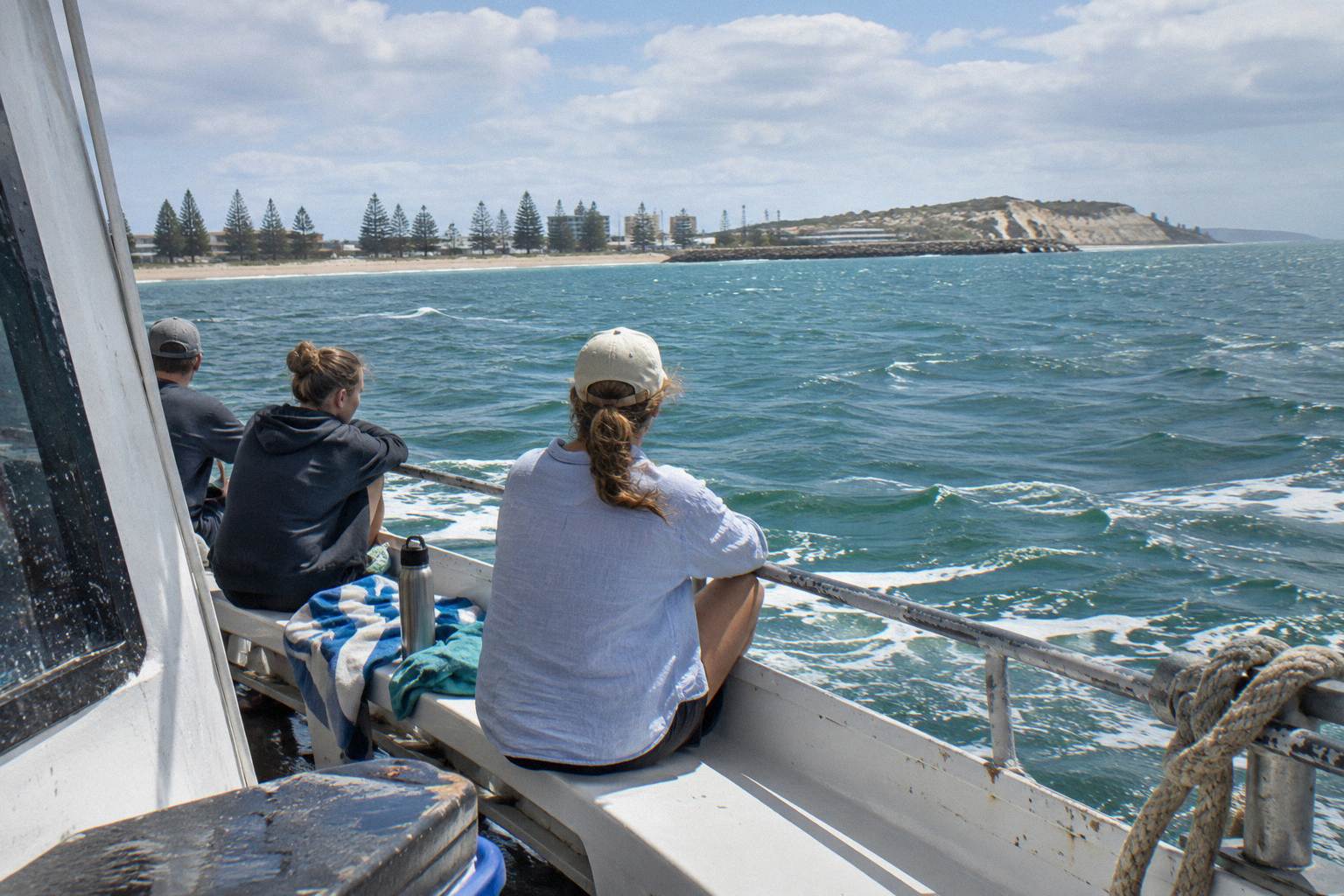
One population note belongs here and nowhere else, because it is easy to misread. A long-term sanctuary dataset covering 1993 to 2020 shows seasonal averages of about 85 dolphins in summer and about 69 in winter within the Adelaide Dolphin Sanctuary, while the sanctuary's management plan separately describes around 20 residents with some 400 observed over time. Those figures describe the sanctuary only. They say nothing about Glenelg or Kangaroo Island waters, and no equivalent monthly count exists for the swim areas. Temptation says it watches Indo-Pacific bottlenose and short-beaked common dolphins off Glenelg, but that operator names no group sizes or residency pattern for its own waters, so none can be printed.
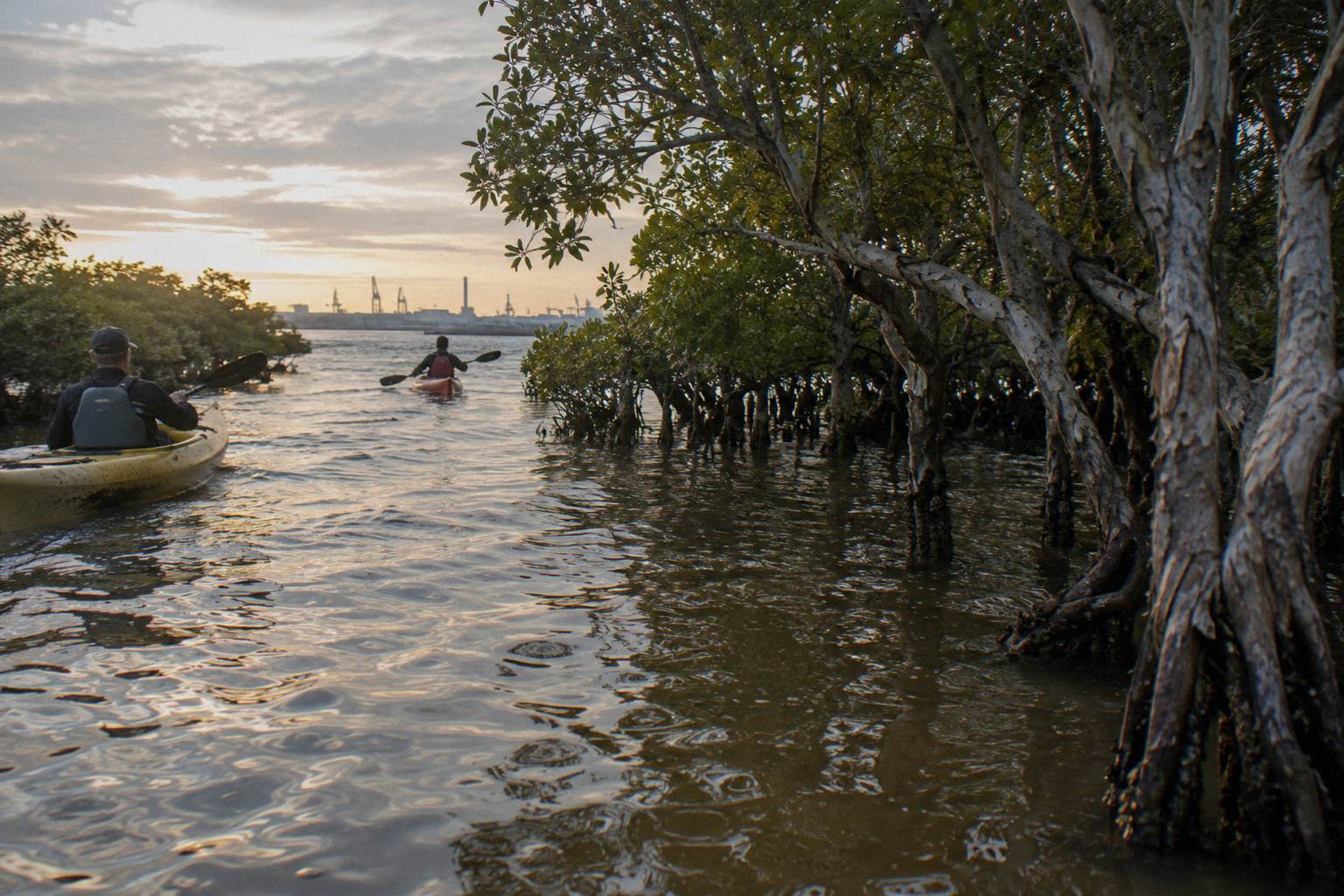
Does The Algal Bloom Change Which Month You Pick?
The state's testing summary shows zero or low Karenia along the metropolitan coast and Kangaroo Island, with the vast majority of South Australia's coastline recording zero or low levels since February 2026. The bloom is not a reason to choose one month over another, but it is a reason to check the operator before booking a swim.
The official SA bloom site, which publishes the onshore testing summary, currently lists the Metropolitan Coast, Kangaroo Island, Southern Fleurieu and the offshore Gulf St Vincent and Spencer Gulf sites all at zero or low levels. The same agencies continue to monitor while remaining vigilant about the possibility of future blooms, and the same site's health advice is plain: beaches can still be enjoyed, stay away from foamy or abnormally coloured water, rinse afterwards, and in the agency's own words, "if the water is clear, it's fine to swim." That wording belongs to the health agency, not to any tour operator or to this site.
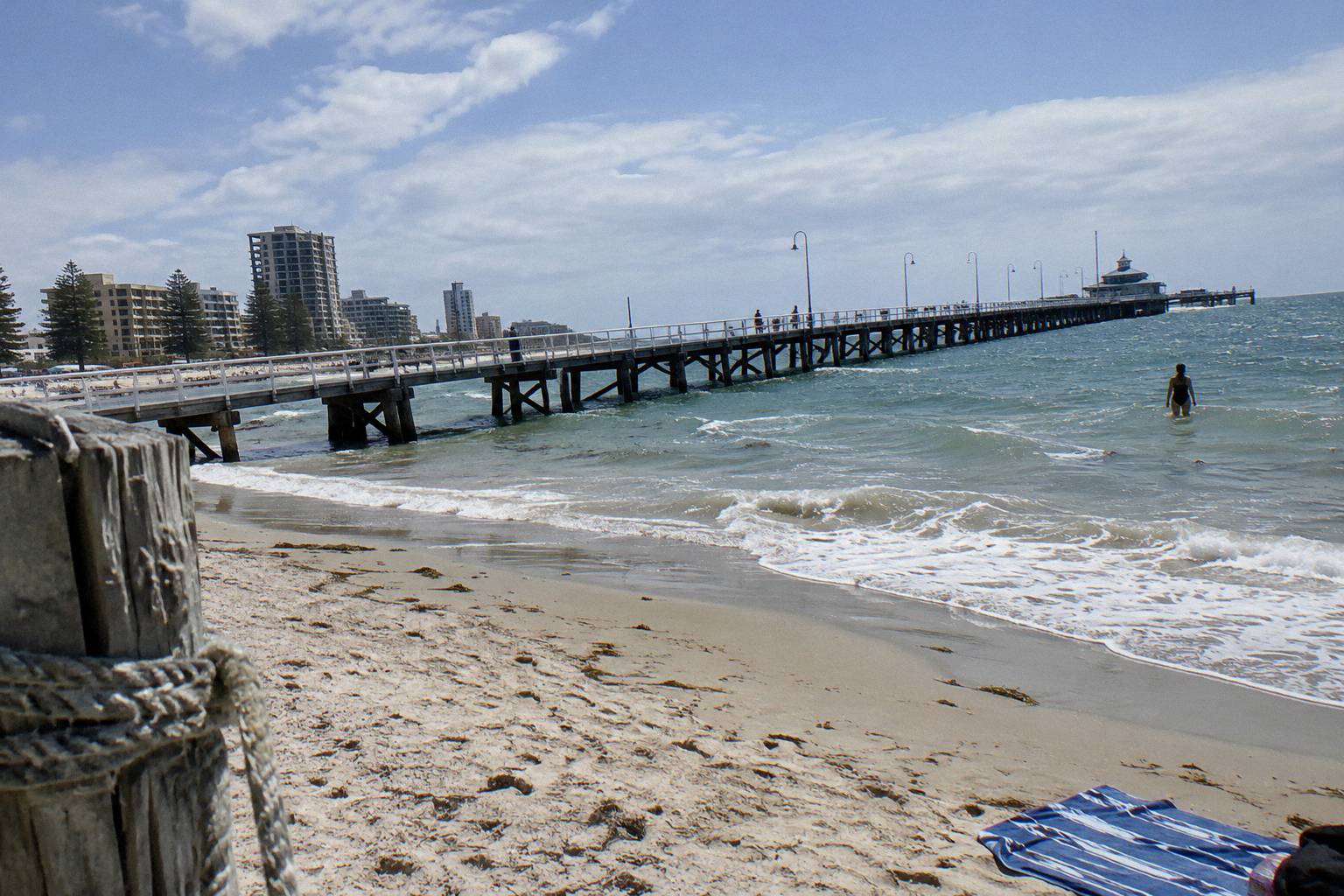
The operator side is equally specific. Temptation's FAQ carries an undated notice that the bloom may affect its wild dolphin tour, especially the swim product, and says the operator assesses algae concentration a week before the season starts, with a full refund if a trip is cancelled on that basis. That refund line applies to bookings made direct with the operator. No Kangaroo Island bloom notice was found on that operator's pages, so nothing can be said about its position. The practical takeaway for a month-by-month planner: check the state's bloom testing page alongside your dates, and confirm with the operator before you commit to a swim.
Which Month Should You Actually Book?
Choose by water warmth and coast, not by dolphins. February is the warmest month to swim off Adelaide at 21.2 °C on the seatemperature.org average, September reopens the Glenelg season in 14 C-class water, and May to August forces the choice to Kangaroo Island, where winter is the seal peak. Every month carries dolphins somewhere in South Australian waters.
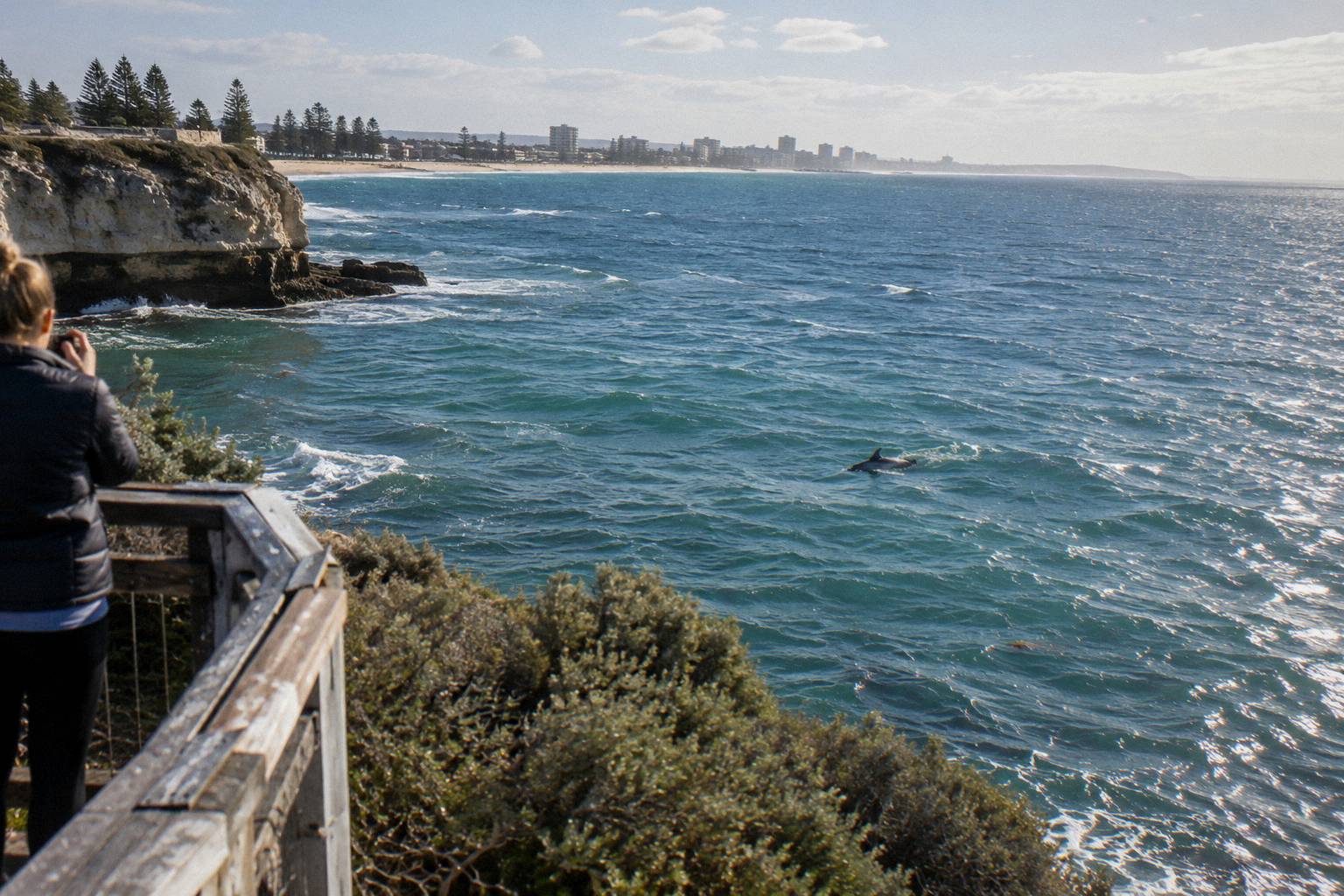
A simple decision path works for most trips. Travelling between September and April and staying in Adelaide: the Glenelg swim is the half-day option, with the boat boarding at Marina Pier 15 minutes before a morning departure and the trip back in the marina between 11:30am and midday. It is listed at from USD 104 per person, rated 4.7 across 493 reviews, with a minimum swim age of 9 and free cancellation up to 24 hours on the live listing. Travelling in the cooler months, or basing yourself on Kangaroo Island: the snorkel safari is the swim that runs, listed at from USD 132 per person and rated 4.4 across 137 reviews. Wanting dolphins without getting in: the watch cruise from the same Glenelg marina, from USD 62 per person and rated 4.8 across 409 reviews, runs the same season as the swim.
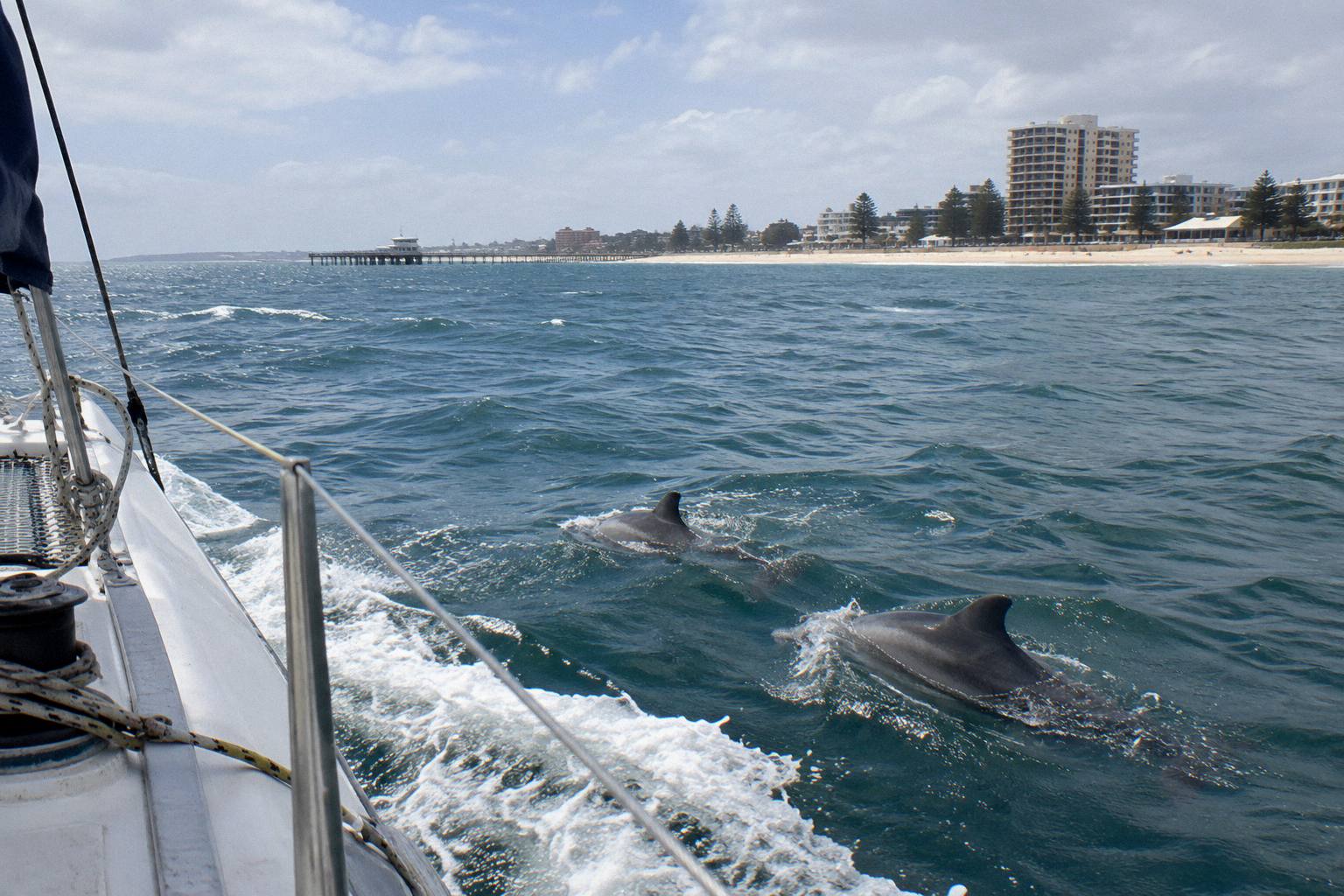
Refund terms differ enough between the two swim operators that they belong in the booking decision. The Glenelg operator says it has never had a day without seeing dolphins from above the water, and its tour page states a "100% success rate of seeing dolphins onboard since 2002", an operator claim about above-water sightings only. For bookings made direct with the operator, no above-water sighting means a free return within one year, non-transferable, or a 50% refund for interstate or overseas guests, and a swimmer who did not see dolphins underwater can claim the swim-minus-watch difference or a return trip within a year. The island operator is the opposite: wildlife interactions are not guaranteed, and if you get in the water at any stage there is no refund. Neither stance picks your month, but both should shape what you expect from whichever one you choose.
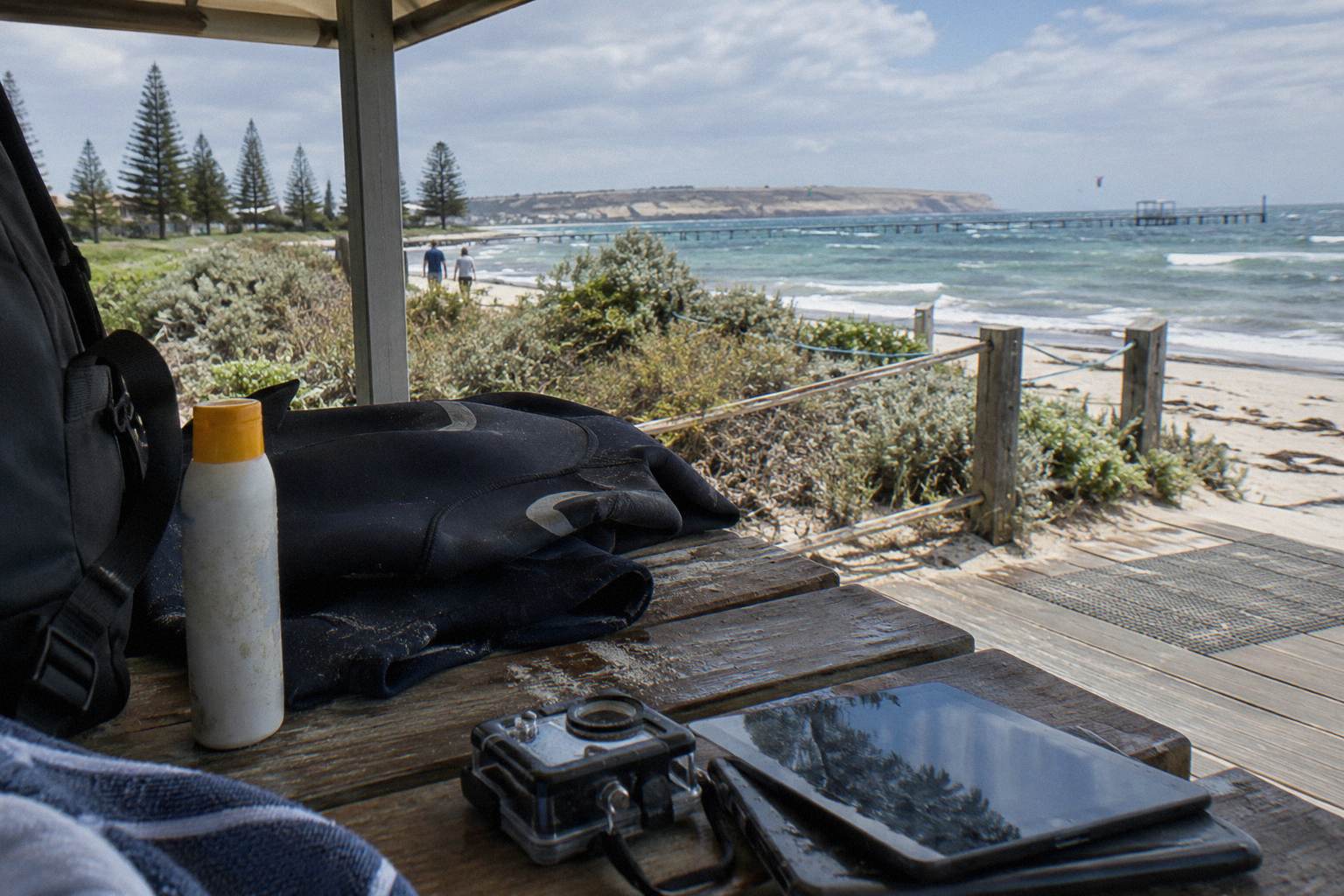
One group worth planning the month around carefully is mixed swimmer and non-swimmer parties. On the Glenelg boat, swim and watch guests travel together on the same vessel, booked together or separately, so a companion who prefers to stay dry can ride along on the same morning departure. A nervous swimmer can also decide after the roughly 15-minute crew briefing to stay aboard as a watcher. Neither option exists in the same form on the island trip, where the format is a two-hour safari from a 28-seater vessel. Travellers unsure about the water at cooler times of year can read the site's guide to the dolphin swim for non-swimmers and weak swimmers before locking a date.
The legal frame is worth one clause here. Under the National Parks and Wildlife (Protected Animals - Marine Mammals) Regulations 2025, in operation since 1 September 2025, a person must not, for fee or reward, take another person into the vicinity of a marine mammal to swim near it without a permit, and swimmers themselves must keep at least 30 m away. The site's guide to dolphin swim rules and how close you can get covers the distances in full. On the Glenelg trip all swimmers hold a flotation line connected to the stern while the boat moves slowly, the crew puts swimmers in only once dolphins have turned toward the boat, and entries stop when dolphins get too close. For season planning, the point is simpler: the two calendars on this page are permitted operations.
Whatever month you land on, the details that make the day go well, what to wear, how sightings are handled, whether a nervous swimmer can stay on the boat, are covered across this site, starting with Adelaide Swimming With Dolphins and its guides on what to wear and bring for a wild dolphin swim and on dolphin swim sightings and what if none appear. The seasonal question is the easy one: pick the coast, check the water table above, and the month mostly picks itself.
Common Questions About The Best Time Of Year For A Wild Dolphin Swim
What Is The Best Time Of Year To Swim With Dolphins In Australia?
For South Australia, the answer is coastal. The Glenelg swim runs September to April with the warmest water, 21.2 °C on the seatemperature.org average, in February. Kangaroo Island swims run year-round, and winter there is the seal peak. Dolphins are present somewhere in state waters in every month.
Do Dolphin Swims Run All Year In Adelaide?
No. The Glenelg-based swim operator states its season runs September to April and that it does not operate cruises between May and August. Year-round swimming from South Australia is available only through the Kangaroo Island Ocean Safari, per that operator.
Which Month Has The Warmest Water For A Dolphin Swim?
February, at a 21.2 °C monthly average off Adelaide per seatemperature.org, with January close behind at 21.1 °C. November averages about 18 °C and the September season opener about 14 °C, with the operators supplying full wetsuits in every case.
Can You Swim With Dolphins In Winter In South Australia?
Yes, on Kangaroo Island. The island operator runs its snorkel safari year-round, supplies thick wetsuits, and says dolphins are present year-round, with seals peaking in winter. The Glenelg swim does not run May to August.
Is It Dolphin Season In Adelaide Right Now?
The Glenelg season, September to April, covers eight months of the year, so odds are good in any month outside the May to August shutdown. The site's post on whether it is dolphin season in Adelaide works through the timing question directly.
Does The Algal Bloom Affect Which Month To Book?
The state's testing summary shows zero or low Karenia along the metropolitan coast and Kangaroo Island. It is not a month-specific factor, but check the operator before booking a swim, and the Glenelg operator's FAQ notes it assesses algae concentration before the season opens.