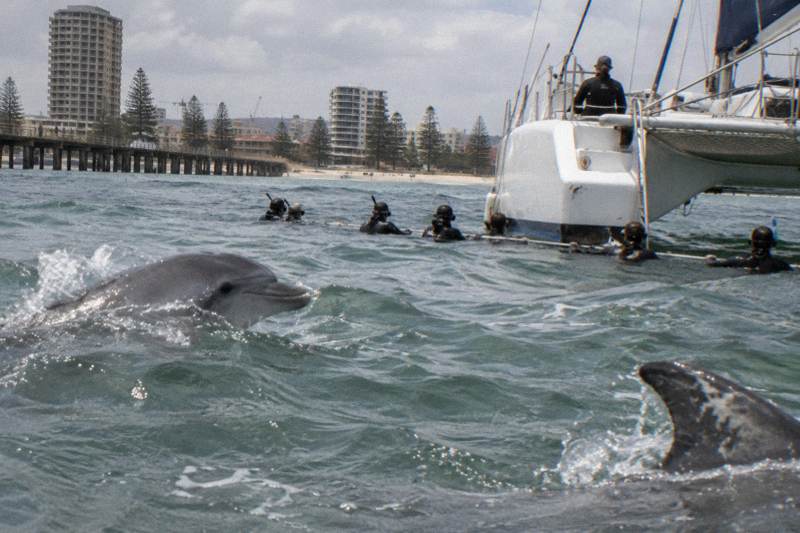
Can I Feed A Wild Dolphin?
No: feeding wild dolphins is prohibited under South Australia's marine mammal regulations, with a AUD 315 expiation fee per alleged offence. Here is what the law says and what you can do instead.
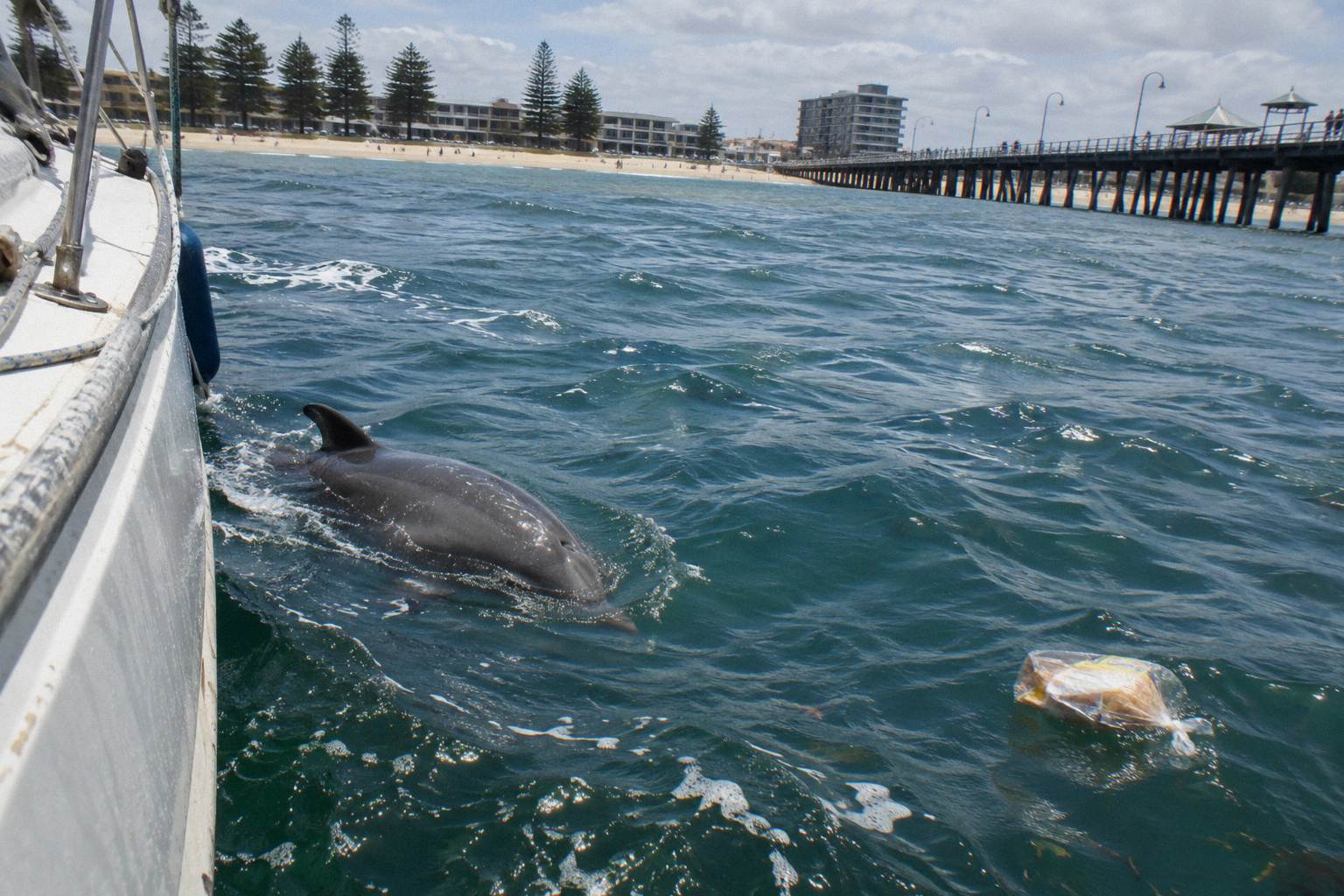
No, you cannot feed a wild dolphin in South Australia. Feeding is expressly prohibited under the National Parks and Wildlife (Protected Animals - Marine Mammals) Regulations 2025, which came into operation on 1 September 2025, and the expiation fee is AUD 315 per alleged offence. This applies in the water, from a boat, from a jetty or from the shore, and it applies to everyone, not just commercial operators.
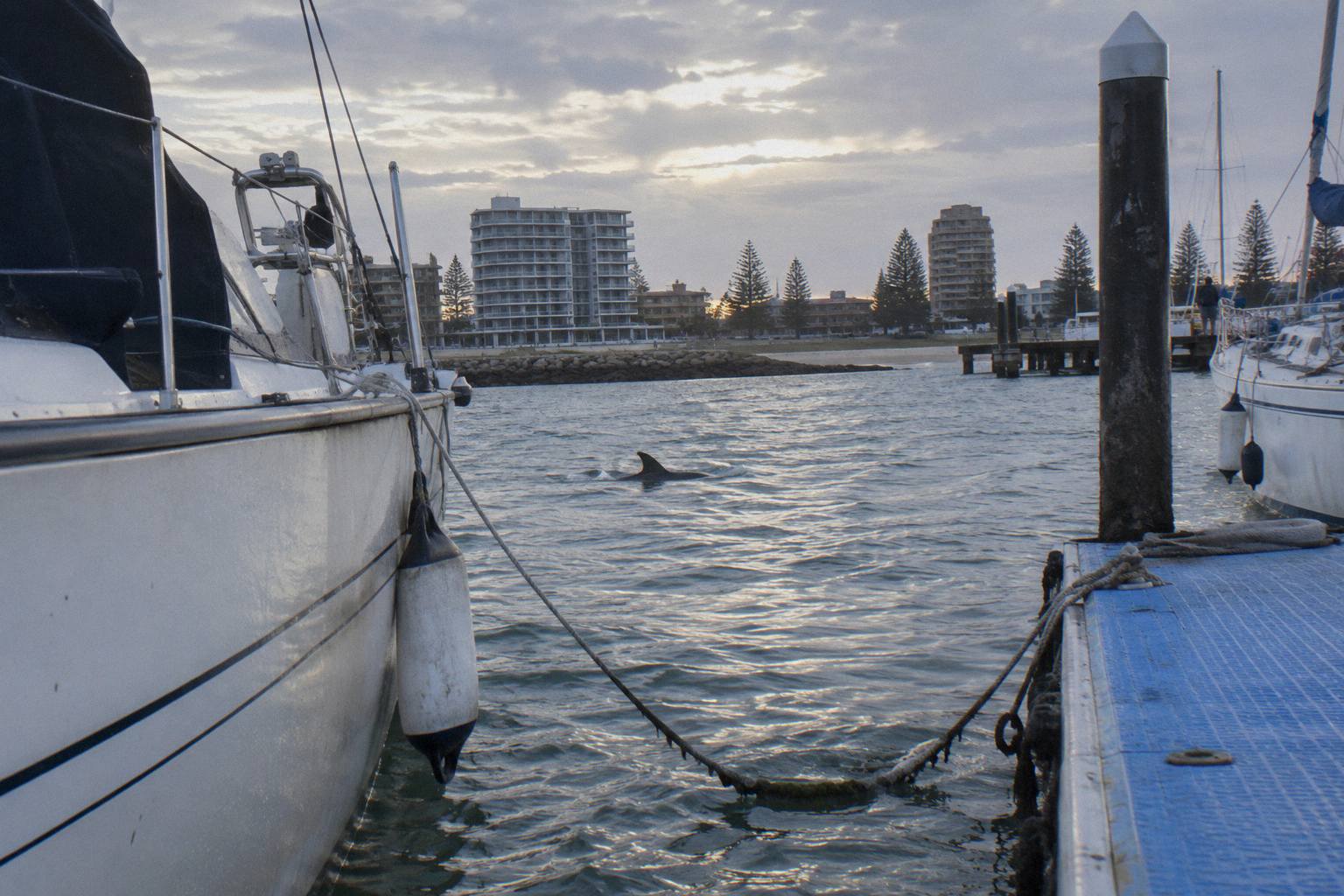
The question comes up more often than you might expect. Dolphins are curious, they approach boats, they sometimes hang around jetties and seem to invite interaction, and the instinct to reward that with a fish is a strong one. Some readers arrive here after seeing old footage of hand-feeding at tourist spots in other parts of the world and reasonably assume the same thing happens in South Australia. It does not, and it has not been lawful here for a long time.
The rule is not a guideline or a courtesy request from tour operators. It sits in state regulations with the full force of law behind them, and it sits alongside a set of companion rules about how close swimmers and vessels may get, and a flat prohibition on touching. You can read the whole framework in the official text of the marine mammal regulations on the SA legislation site.
If your interest in getting near dolphins is what brought you here, the honest answer is that everything legal is observational: watching from a permitted tour boat, swimming from a permitted swim tour under controlled conditions, or paddling in the sanctuary. We cover those options further down, including the Glenelg watch cruise and the Port River options, because most people who ask about feeding really just want a close encounter.
Why Feeding Wild Dolphins Is Prohibited
Feeding is banned because it changes dolphin behaviour in ways that harm the animals: dolphins that learn to take food from people lose their natural foraging patterns, spend more time near boats and jetties where they are struck by propellers, and can pass the habit to their calves. The South Australian regulations treat food provision as a direct interference with a protected animal, which is why the offence carries the same expiation fee as getting too close.
The mechanism of harm is well documented. A wild bottlenose dolphin hunts cooperatively, teaches its young where fish are and how to catch them, and structures its day around that work. A dolphin that is handed fish learns a shortcut: follow boats, loiter at jetties, approach anything with a human on it. That looks friendly from the shore. In practice it puts the animal in the busiest, most dangerous water there is, and it puts a calf's education on hold while it waits for handouts that will not always come.
There is a second layer that matters locally. The Adelaide Dolphin Sanctuary, which covers 118 square kilometres of the Port River and Barker Inlet estuary north of Port Adelaide, is home to Indo-Pacific bottlenose dolphins, many of them year-round residents, according to the official SA government's sanctuary facts. Resident animals that get fed by people are fed again and again, by different people, at the same spots. A fully grown bottlenose dolphin can weigh 120 to 160 kilograms and exceed two metres in length, so a handful of bait fish is not nutrition, it is a habit-forming signal.
The regulations also matter for the tours themselves. A person must not, for fee or reward, use a vessel or other means to take another person into the vicinity of a marine mammal to observe it or swim near it unless they hold a Ministerial permit or other lawful authority. That is the framework that makes a fee-based dolphin swim or watch tour lawful, and no permitted operator would risk that authority by baiting animals. If a tour ever offered food to bring dolphins close, it would be breaking the same law that applies to you.
The AUD 315 Expiation Fee And How The Rules Are Enforced
Each alleged offence of feeding, touching or approaching a marine mammal contrary to the regulations carries an expiation fee of AUD 315, and offences are issued per alleged breach rather than per day. That means a single act of tossing a fish to a dolphin is a single expiable offence, and refusing food to no one is free. Enforcement sits with National Parks and Wildlife Service officers, who can act on the water and on shore.
It helps to understand what an expiation fee is. It is not a fine imposed by a court after a trial; it is an on-the-spot penalty, like a speeding expiation, that the alleged offender can pay to discharge the matter or contest. The figure of AUD 315 appears in regulation 20 of the 2025 regulations and applies per alleged offence across the breach provisions, including the distance rules for swimmers and vessels as well as the feeding and touching prohibitions. It is the only bare-dollar figure in this article because it is the only one the law states.
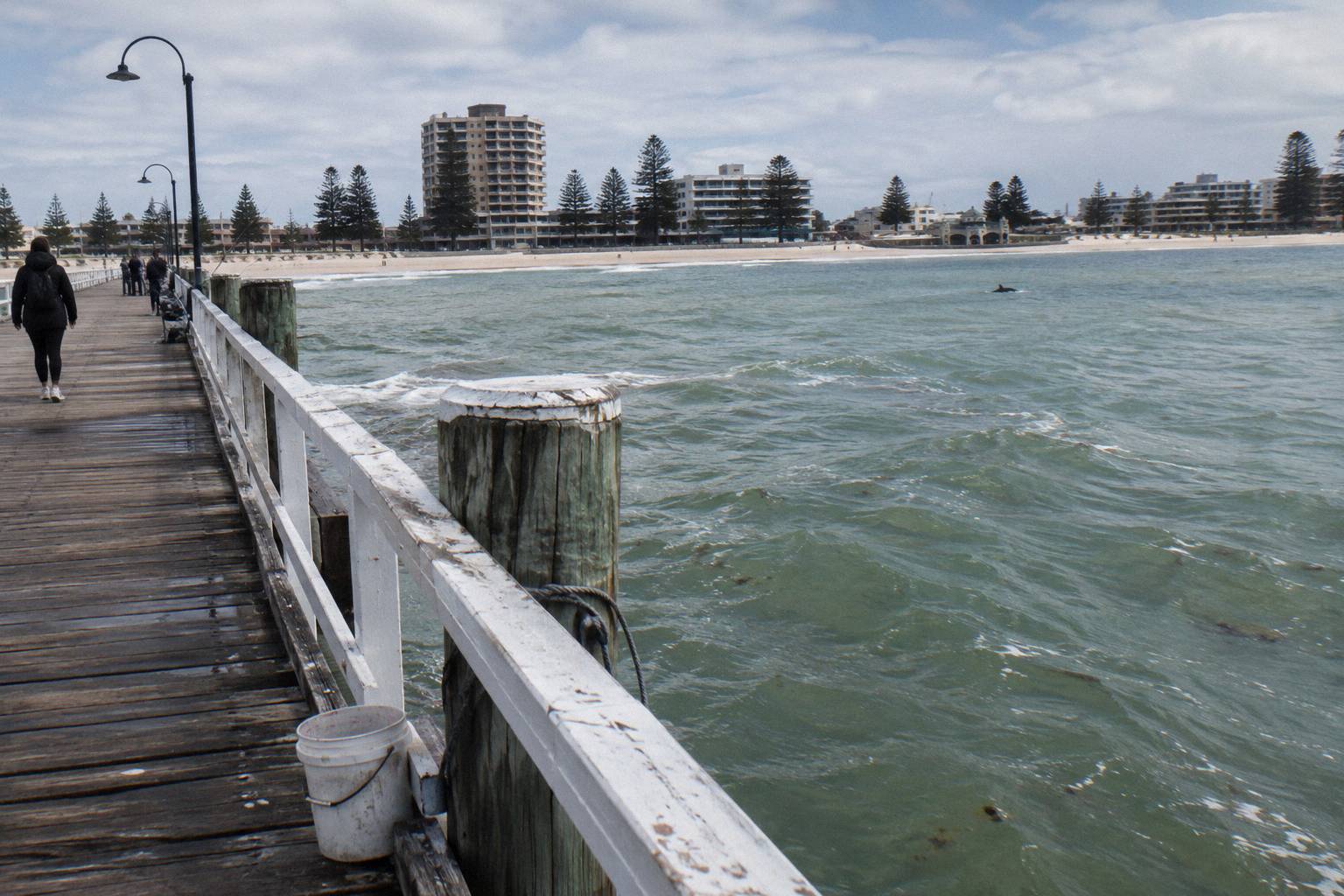
Nobody tracks your good intentions. The most common feeding scenario, someone on a jetty or a small boat tossing a fish to a dolphin that has come over, is exactly the scenario the rule is written for, because it is the one that most reliably trains the animal to come back. "Just one fish" is the whole problem from the dolphin's side of the exchange.
The practical takeaway is simple. Do not bring bait, berley, fish scraps or any food on a dolphin tour. Do not chum the water to attract dolphins before you get in. If a dolphin approaches your kayak or your fishing spot, enjoy the moment, keep your hands in or on the vessel, and let it move on. Our deeper look at what to do when a dolphin swims up to you covers the encounter itself.
What Counts As Feeding: Bait, Berley And 'just One Fish'
The prohibition covers any deliberate provision of food to a marine mammal, which includes hand-feeding, tossing fish from a boat or jetty, using bait or berley to attract dolphins to your location, and leaving fish waste in the water where dolphins are present. The law does not distinguish between a tourist sharing a snack and a fisherman discarding bycatch near a pod, because the effect on the animal is identical.
Some edge cases are worth naming plainly, because they come up.
| Action | Status under the regulations |
|---|---|
| Hand-feeding a fish to a dolphin | Prohibited, expiation fee applies |
| Tossing food scraps or bait near a pod | Prohibited, expiation fee applies |
| Berleying or chumming to draw dolphins to your boat | Prohibited, expiation fee applies |
| Discarding fish waste with dolphins close by | Prohibited, expiation fee applies |
| Photographing or filming a dolphin that approaches you | Allowed |
| Watching from a permitted tour vessel | Allowed |
| Swimming from a permitted swim tour holding the line | Allowed under permit conditions |
The berley row deserves a note. Anglers berley to attract fish, not dolphins, but a berley trail that draws a dolphin to your stern is still food provision in effect, and fisheries and wildlife officers read it that way when a pod is around. If dolphins show up while you are fishing, the accepted practice is to stop fishing until they move on, both for the law and for the safety of lines and hooks around an animal that is longer than most kayaks.
Touching sits in the same family of prohibitions and trips people up just as often. The rule against touching exists partly for your safety, dolphins are large, fast wild animals with teeth, and our post on whether you can touch wild dolphins during a swim unpacks it. The short version: no reaching out, not even when one passes close enough.
How Close You May Legally Get To A Wild Dolphin
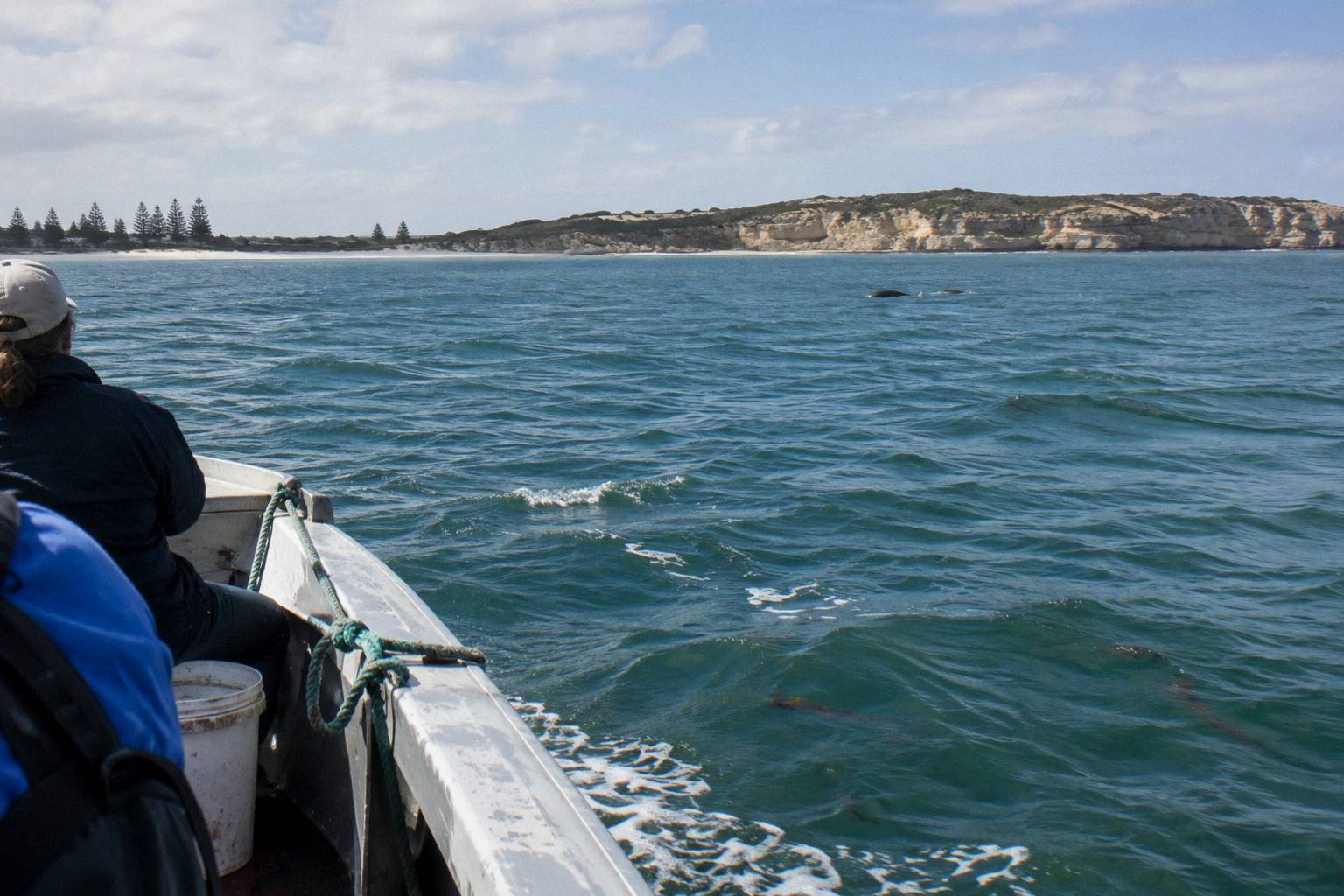
Swimmers and snorkellers may not come closer than 30 metres to a marine mammal, may not come within 150 metres of a dolphin that shows disturbance, appears sick or injured, is stranded or entangled, or is a calf, and may not spend more than 30 minutes within 150 metres. Vessels must keep at least 50 metres from dolphins, or 150 metres with a calf or if the animals show disturbance.
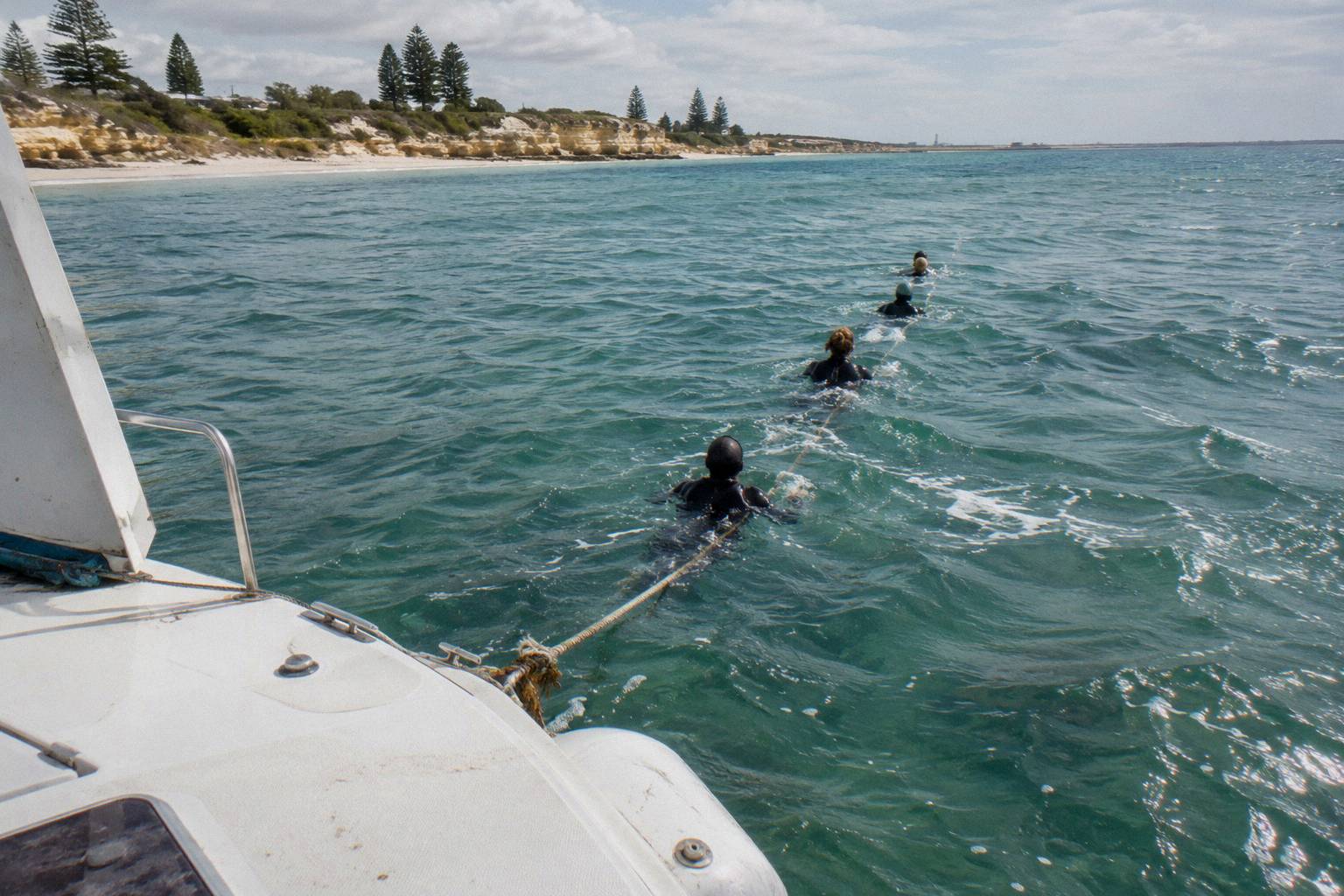
Those numbers come straight from the regulations and they reshape what a "swim with dolphins" can legally be. When you read that a permitted swim tour puts swimmers on a flotation line connected to the stern while the boat drifts or moves slowly, and that the crew decides when swimmers enter the water, that is not fussiness. It is the only structure in which a swim can happen at all: the dolphins choose to approach the vessel, the swimmers do not pursue, and nobody chases an animal to close the distance.
Vessels also travel at 4 knots or less within 150 metres, a rule that matters as much as the raw distances because speed is what turns a near miss into a strike. The calf rule is the strictest of the set, and for good reason. A mother with a calf will not feed properly if boats and swimmers keep arriving, and the 150-metre buffer around calves is the regulation's way of giving the pair room. The Kangaroo Island Ocean Safari swim's booking page goes further and states the swim does not run when the pod has neonates, which is a tour-level restriction layered on the legal floor.
Distances are easy to state and hard to judge in the water, which is another reason permitted tours exist. A swimmer cannot accurately gauge 30 metres while floating in swell, but a skipper watching the pod from the boat can, and can call swimmers out before the distance closes. The rules in full, including how they interact with the swim tours, are set out in our guide to dolphin swim rules and how close you can get.
Why You Also Cannot Just Swim Out From The Beach To Them
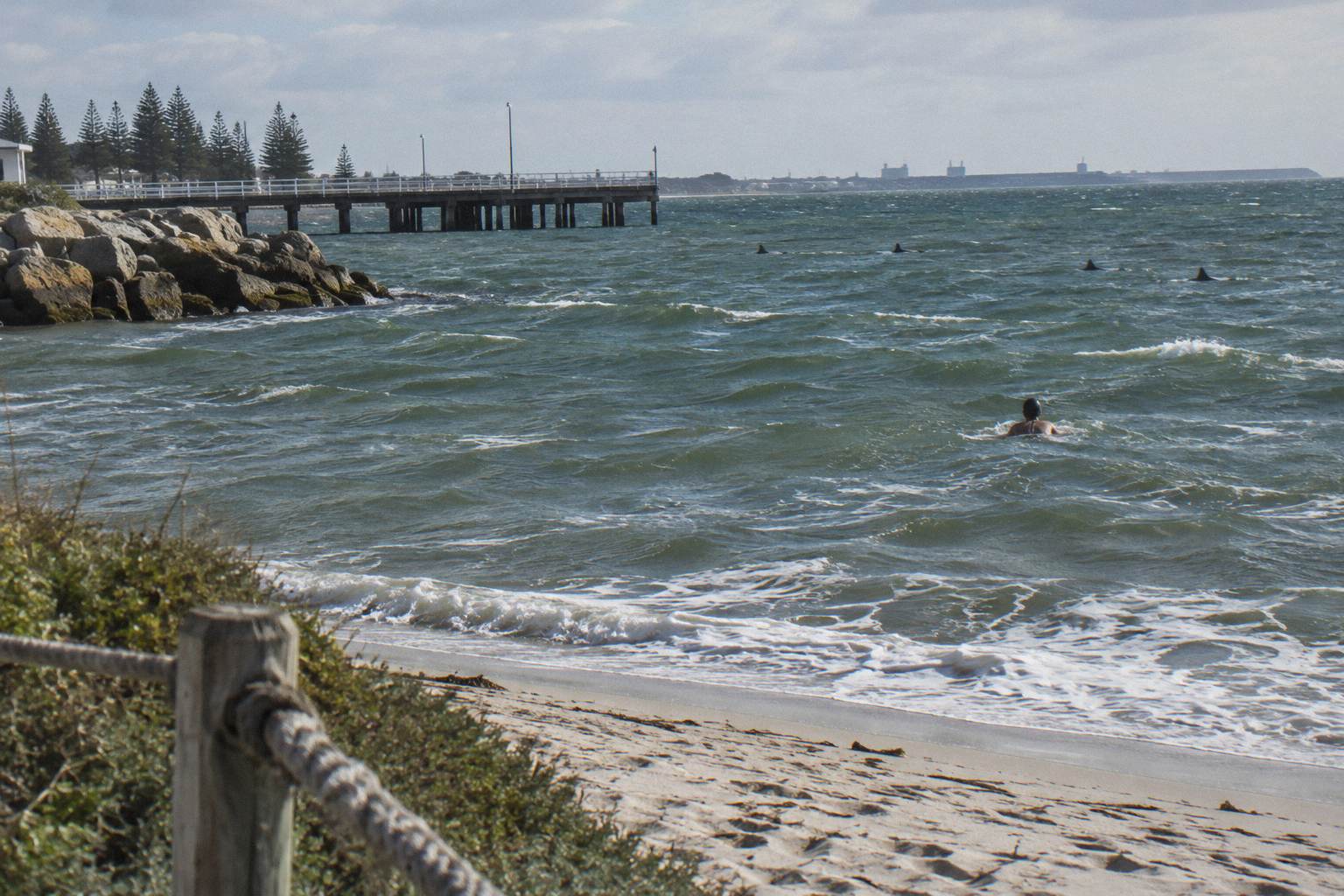
Swimming up to wild dolphins from the shore is not banned outright, but the distance rules make it nearly impossible to do legally: a swimmer approaching a dolphin closes the 30-metre limit by their own motion, and any approach within 150 metres of a calf is a breach. What the law bans outright is doing it for fee or reward, which is why commercial swims operate only under a Ministerial permit.
That distinction confuses a lot of readers. The permit requirement in the regulations targets the commercial act, taking another person into the vicinity of a marine mammal for money to observe or swim near it. A private individual in the water is governed by the distance and conduct rules instead. In practice, a free swimmer who steers toward dolphins will breach the 30-metre rule the moment the animals fail to move away, and most will not even know they have.
There is also the question of doing it well. Dolphins off Glenelg include, per the operator Temptation's own tour page, both Indo-Pacific bottlenose and short-beaked common dolphins, and a swimmer in the wrong place is a hazard to themselves as much as to the animals. Water temperature off Adelaide runs from around 14 degrees Celsius in August to around 21 in February (seatemperature.org), and swimmers in the legal, permitted format get a full-length 5 mm wetsuit that doubles as flotation precisely because the water is not warm.
The blog post on whether it is illegal to swim up to wild dolphins in South Australia takes this apart clause by clause. The one-line version for this page: the law does not need to ban your swim, it just needs to define the distances, because wild dolphins and determined swimmers will inevitably violate them.
Watching-Only Tours Where Feeding Never Comes Up
The cleanest legal encounters around Adelaide are watching-only tours: Wild Dolphin Watch From Glenelg from USD 62 per person, rated 4.8 across 409 reviews, the Port River Dolphin Cruise from USD 60, rated 4.5 across 481 reviews, and Kangaroo Island Dolphin Watch from USD 61.74, rated 4.8 across 640 reviews. On all three you stay on the boat, the distances are the skipper's job, and feeding is never part of the picture.
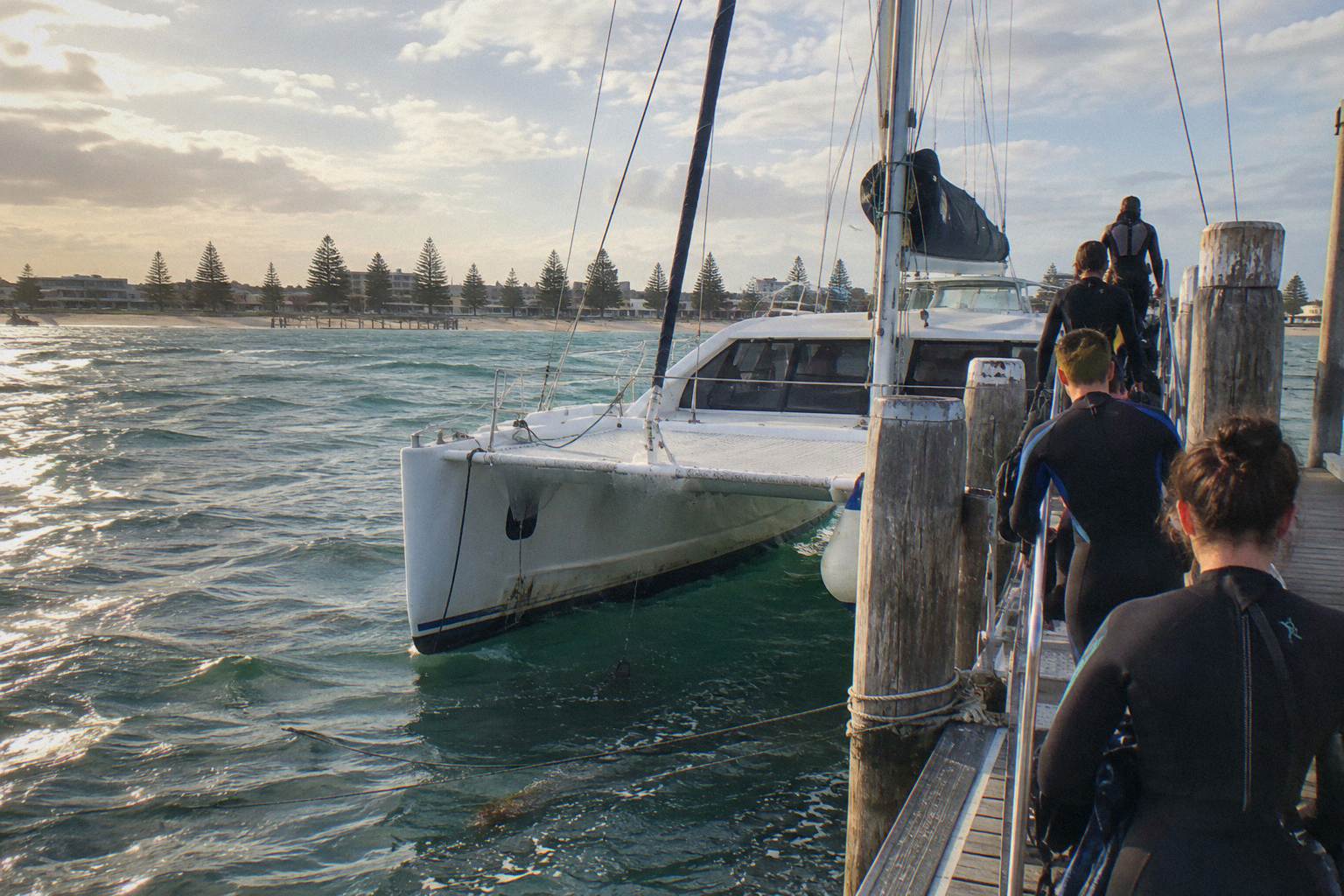
Wild Dolphin Watch From Glenelg is the natural first recommendation for families, and not only because it is the cheapest entry point on this site's roster. It is run by Temptation Sailing, the same operator behind the Glenelg swim, from the same catamaran, on the same morning trips. Swimmers and watchers ride together, so a mixed group where one person wants to swim and the rest would rather stay dry can book a single trip. The tour page's own title carries the word 'Guaranteed', which is the tour's wording, not a promise from this site, and it refers to above-water sightings on that operator's record, which includes its claim of a 100 percent success rate of seeing dolphins onboard since 2002.
The Port River Dolphin Cruise out of Port Adelaide is the urban option, a 1.5-hour run into the ships graveyard stretch of the Port River where the sanctuary's resident bottlenose dolphins live. No sighting guarantee is stated for it, and none is needed: the sanctuary population is resident, which is a different proposition from the transient animals a Gulf trip depends on. Adelaide Swimming With Dolphins exists as a site because these two styles of trip, gulf and river, keep getting compared, and the comparison is genuinely a choice about what kind of encounter you want.
| Tour | From (USD) | Rating | Duration | Style |
|---|---|---|---|---|
| Wild Dolphin Watch From Glenelg | 62 | 4.8 across 409 reviews | about 3.5 hours | watching only |
| Port River Dolphin Cruise | 60 | 4.5 across 481 reviews | 1.5 hours | watching only |
| Kangaroo Island Dolphin Watch | 61.74 | 4.8 across 640 reviews | about 1 hour 15 minutes | watching only, non-refundable per its booking page |
| Dolphin Sanctuary Kayak Tour | 54.72 | 4.8 across 300 reviews | Not stated | paddling only, min age 8 |
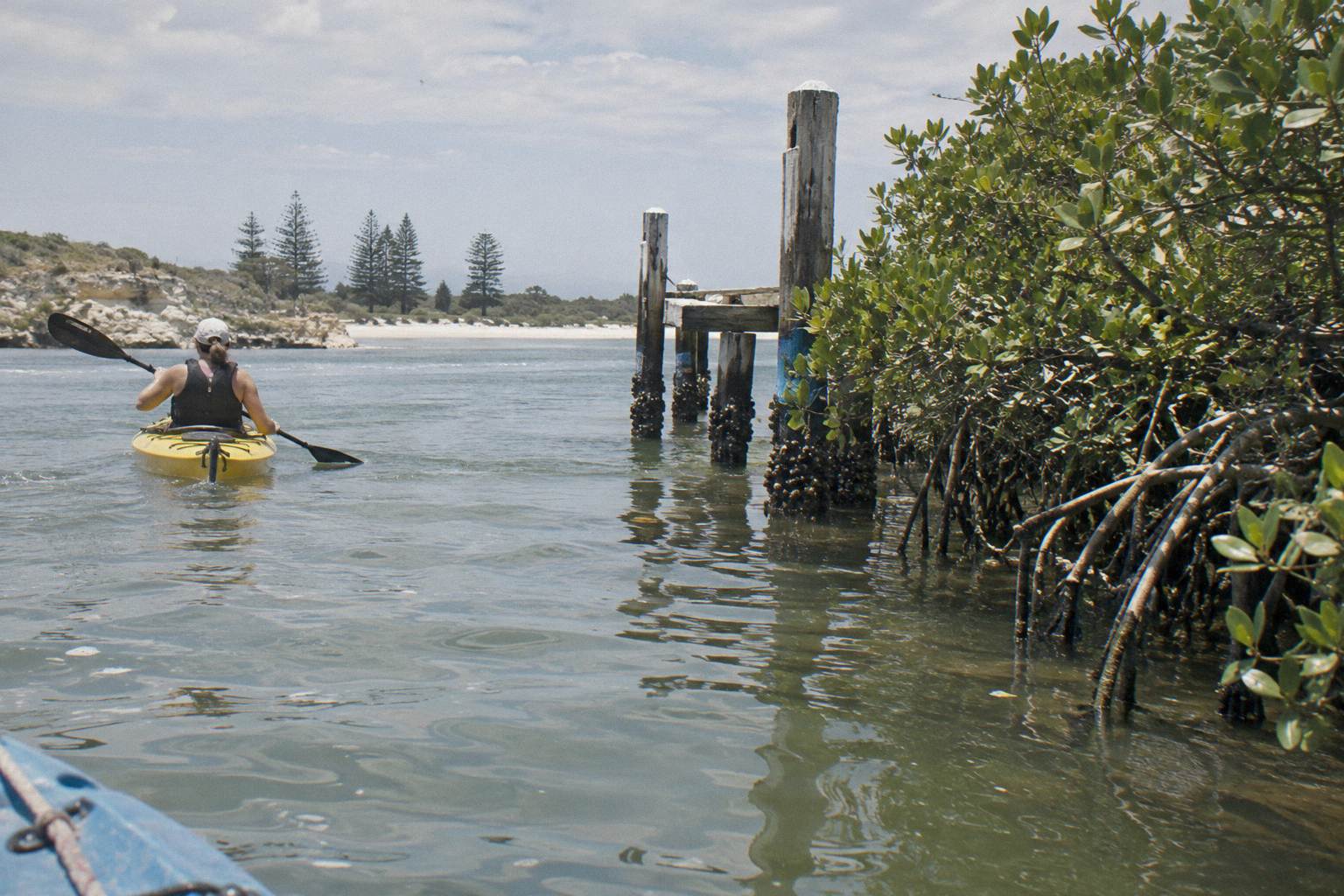
Note the kayak entry. Paddling in the sanctuary with Adventure Kayaking SA is another no-feeding encounter by design: you are low, quiet and slow, and dolphins that are curious about kayaks come to you. The full set of options, including the swim tours, is compared in our guide to choosing between a Kangaroo Island and a Glenelg dolphin trip.
What If You Want To Get In The Water, Legally
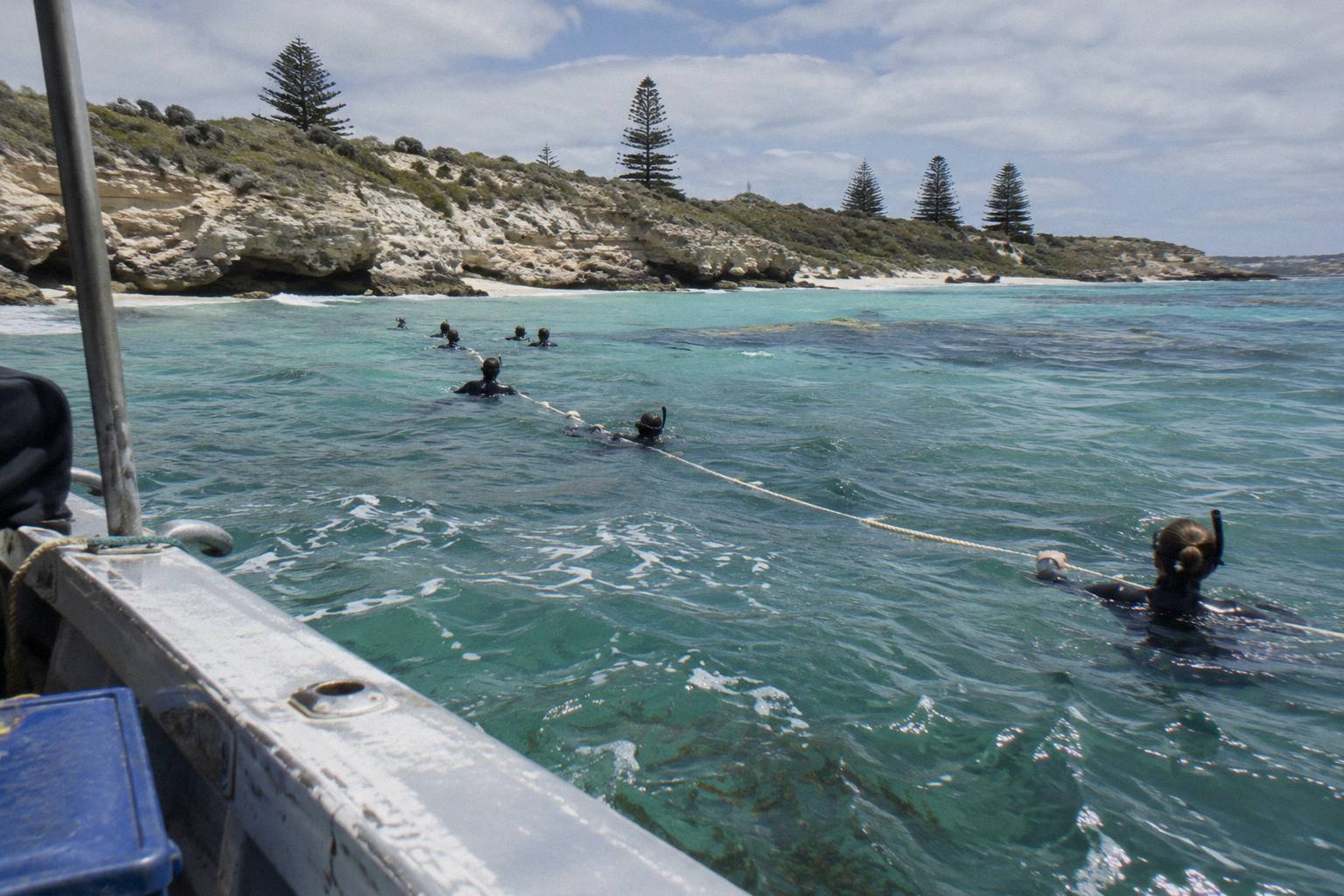
Two permitted swim tours serve this coast: Wild Dolphin Swim From Glenelg With Temptation Sailing, from USD 104 per person, rated 4.7 across 493 reviews, and the Kangaroo Island Ocean Safari Swim, from USD 132, rated 4.4 across 137 reviews. Both are controlled swims on a line behind a permitted vessel, minimum age 9, and neither tour, and no swimmer on either, may feed, touch or chase the animals.
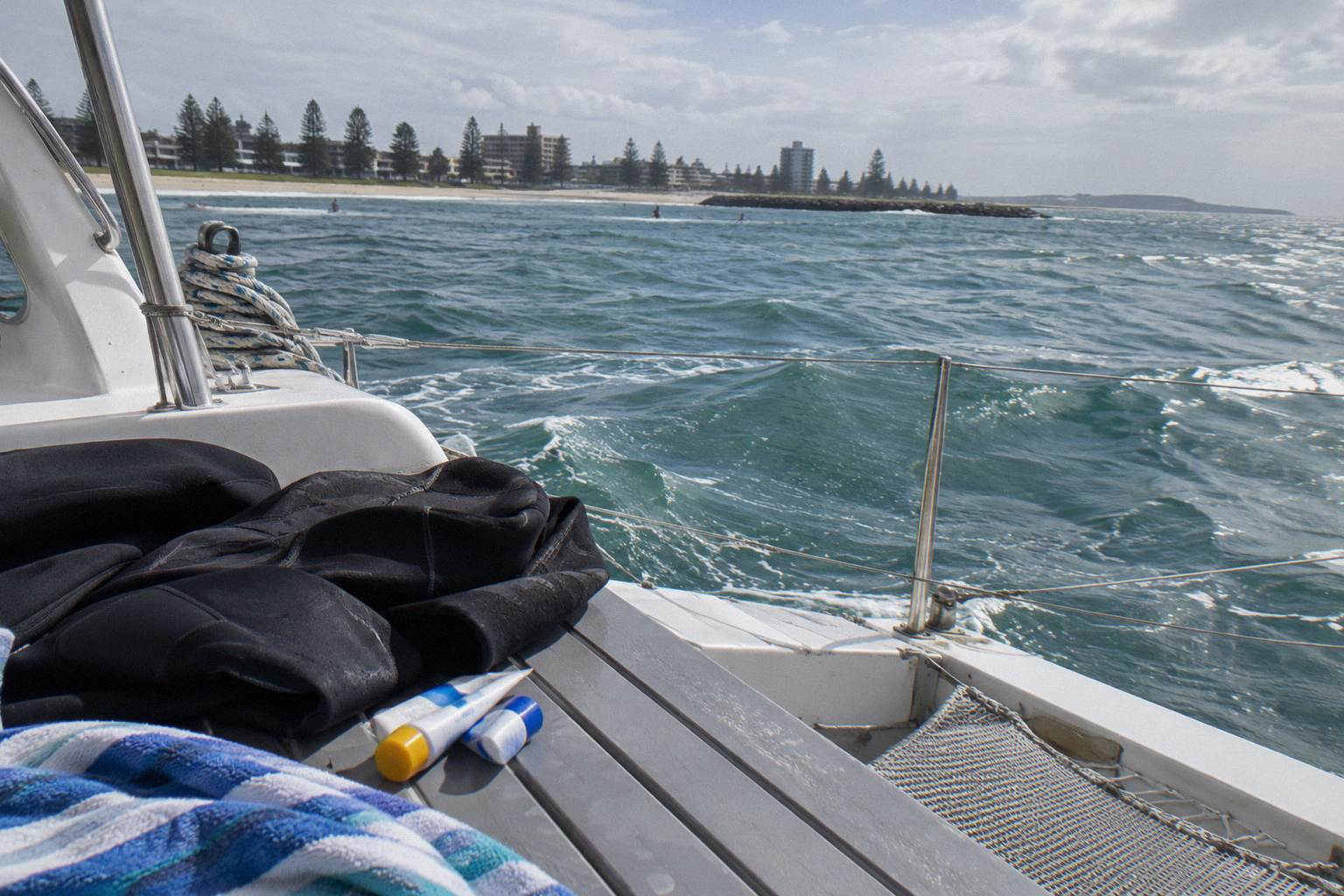
The Glenelg swim is the one most readers mean. Per the operator, swimmers board a 58 ft sailing catamaran surveyed for up to 50 passengers at Marina Pier, Holdfast Shores, get a full-length 5 mm wetsuit and a briefing of about 15 minutes, and take turns on two experiences, the Front Swim and the Back Swim, holding a flotation line connected to the stern. The crew puts swimmers in only once dolphins have turned toward the boat and stops entries when the dolphins get too close, which is the permit-compliant choreography in action. The operator says it has run swim and watch tours from Glenelg since 2002 and calls itself the first vessel in South Australia given a licence to swim with dolphins, its own statement, quoted as such.
The Kangaroo Island option runs from Penneshaw, meeting 30 minutes before departure at the Kangaroo Island Information Stop on Howard Drive for wetsuit fitting and a safety brief. Per the operator, it is a 2-hour snorkelling safari that may turn out to be dolphins, seals or a coastal snorkel depending on the day, with a swimmer line with buoys often used at the back of the vessel. Its own terms are blunt about it: wildlife interactions are not guaranteed, and if you get in the water at any stage there is no refund.
Both swims are worth reading in detail before you book, especially if a child is asking the feeding question, because the swim format answers it physically: your hands are on a line, you are behind a boat, and the dolphins that visit you do so on their own terms. The fuller picture of what a swim day actually looks like is in our guide to what happens on a wild dolphin swim cruise.
A Family Checklist For A No-Feeding Dolphin Day
Before you leave the house, set the rule plainly: no food near the water, hands stay to yourself, and a dolphin comes to you or it does not. Pack for watching rather than feeding, let binoculars beat bait, and tell your children that a dolphin choosing to swim past the boat is the reward itself, not a prelude to a treat.
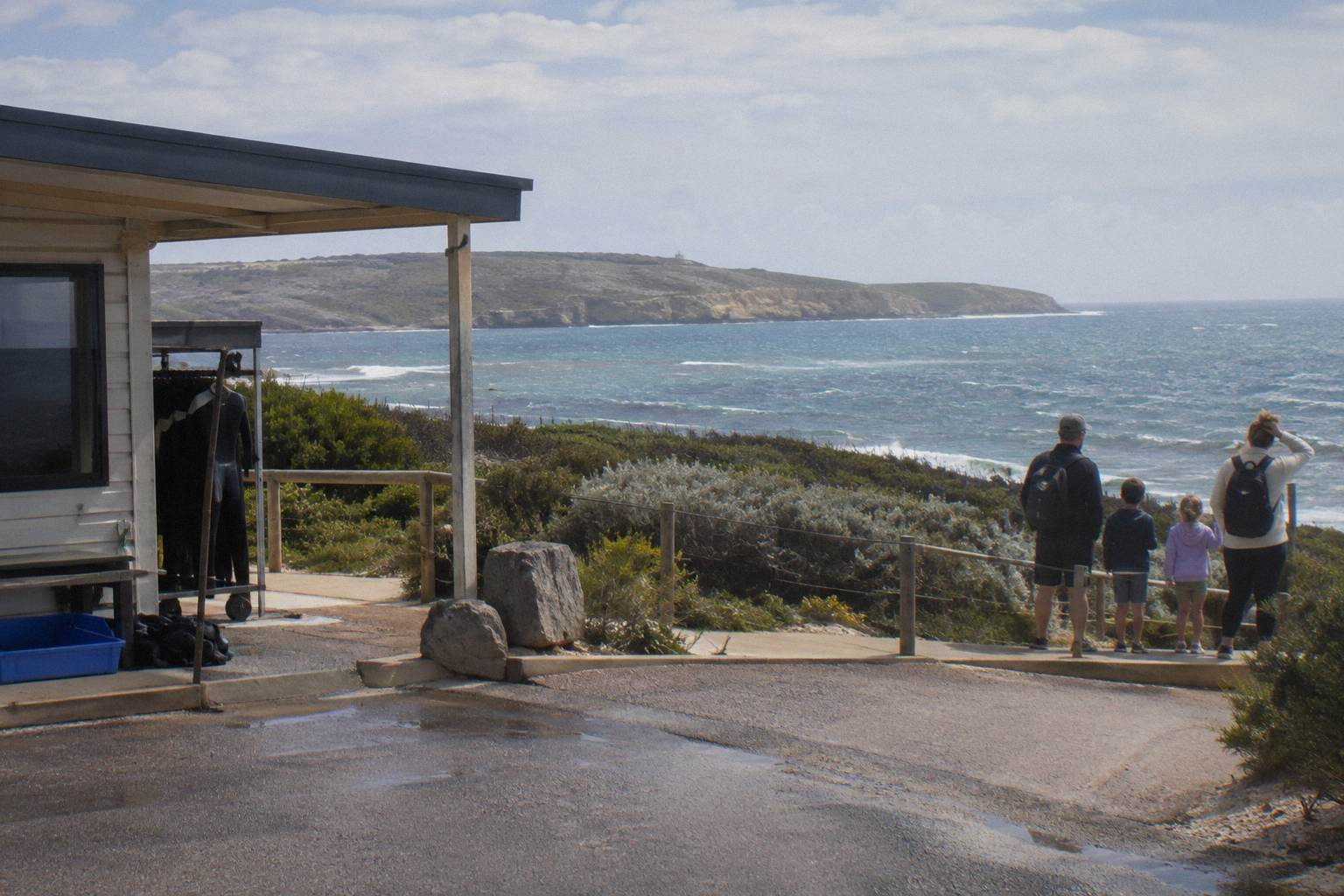
A short checklist, in the order the day runs:
- Before booking: check minimum ages. The Glenelg swim and the Kangaroo Island swim both require age 9 or older to swim; the Dolphin Sanctuary Kayak Tour takes paddlers from age 8, and the watch cruises take younger children as spectators. Under-18s on the Glenelg swim need a parent or guardian on board.
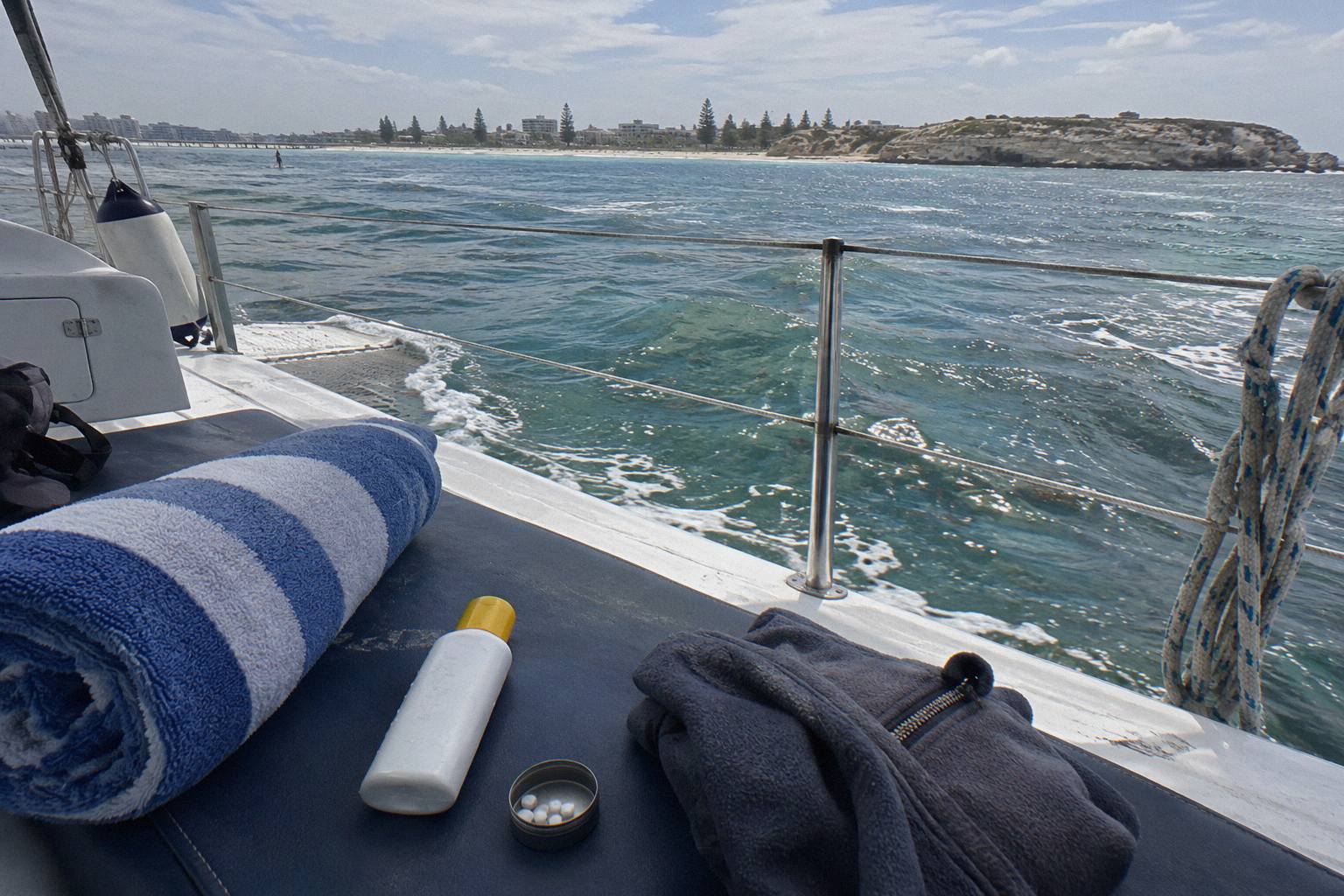
- Packing: no bait, no berley, no fish scraps, no food intended for the water. Bring warm layers, a towel, sunscreen, and motion-sickness tablets if anyone is prone; the Glenelg operator suggests taking them 30 minutes before departure and gives no refund for seasickness.
- On the day: boarding at Glenelg starts 15 minutes before departure, at the bottom of the stairs in front of the Oyster Bar at Marina Pier; Kangaroo Island swimmers meet 30 minutes before departure for fitting.
- In the water or on it: hands on the line or in the boat, never reaching for an animal. If a dolphin approaches, hold position and let it pass.
- After: rinse off, and if you want a keepsake, photos from the boat. Our guide to underwater photos and cameras on a dolphin swim covers the gear rules.
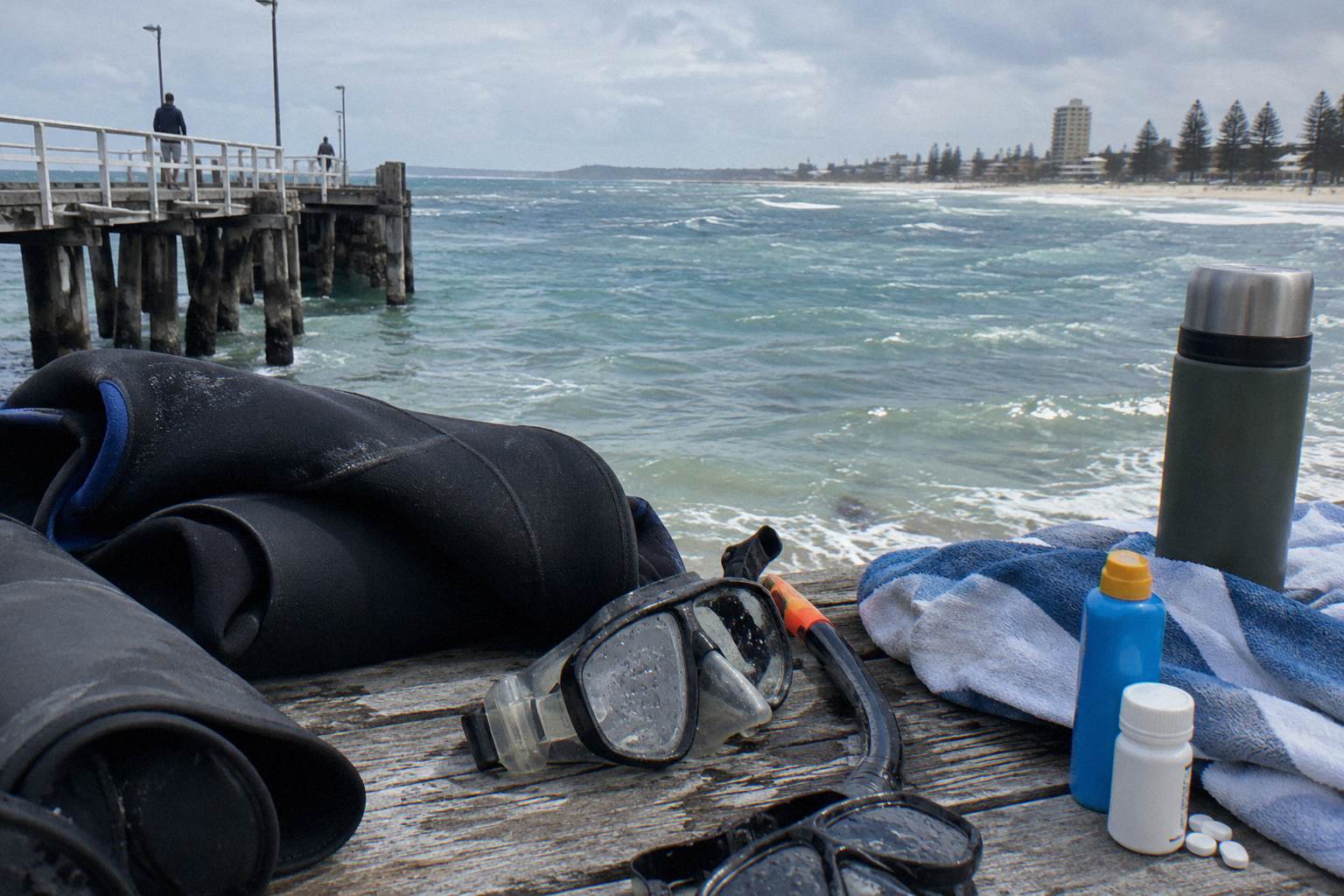
One more note for planners: SA testing currently shows zero or low Karenia algae along the metropolitan coast and Kangaroo Island, and the state's health advice is that if the water is clear, it is fine to swim. The Glenelg operator's FAQ still carries a notice that the bloom may affect its tours, so check the operator before booking a swim.
Common Questions About Feeding Wild Dolphins
Can I Feed A Wild Dolphin?
No. Feeding wild dolphins is prohibited under South Australia's marine mammal regulations, and each alleged offence carries a AUD 315 expiation fee. This applies from boats, jetties, the shore and the water alike, and to bait and berley as well as hand-feeding.
What Happens If I Feed A Wild Dolphin In South Australia?
Feeding a marine mammal contrary to the regulations is an expiable offence with a fee of AUD 315 per alleged breach. You can pay the expiation or contest it, exactly as with a traffic offence. Beyond the penalty, feeding trains dolphins to associate people and boats with food, which is what the rule exists to prevent.
Can I Feed Dolphins From My Own Boat Or When Fishing?
No, and discarding bait or fish waste near a pod counts too. If dolphins arrive while you are fishing, the accepted practice is to pause fishing until they move on, both to stay within the regulations and to keep hooks and lines away from the animals.
Why Do Tour Operators Not Feed Dolphins To Bring Them Closer?
Operators may not interfere with marine mammals at all. A fee-based trip into the vicinity of dolphins requires a Ministerial permit, and baiting or feeding would breach the same regulations that apply to everyone. Permitted tours let dolphins choose to approach the vessel instead.
Can I Touch A Wild Dolphin Instead Of Feeding It?
No. Touching is prohibited under the same regulations, with the same expiation fee. On permitted swim tours you hold a flotation line connected to the boat and keep your hands there; the dolphins come as close as they choose.
How Close Can I Legally Get To A Dolphin Without A Tour?
Swimmers and snorkellers must stay at least 30 metres from a marine mammal, and 150 metres from any dolphin that is a calf or shows disturbance, and may not stay within 150 metres of a dolphin for more than 30 minutes. Vessels must keep 50 metres, or 150 metres with a calf or disturbed animals.