Do You Get Cold After A Dolphin Swim From Adelaide?
Water temperatures off Adelaide, what the operators provide, and what actually happens to your body temperature after a wild dolphin swim.
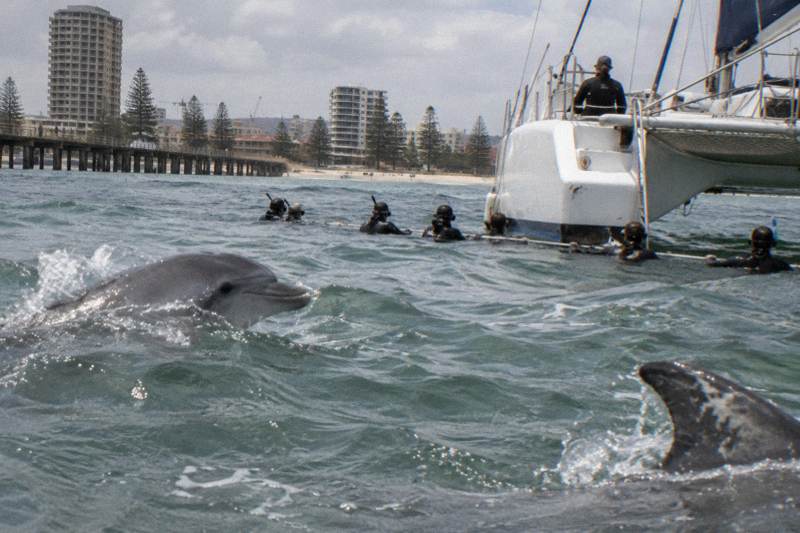
Most swimmers notice the cold most in the first minutes in the water and in the half hour after climbing out, not during the swim itself. Adelaide's sea temperature runs from around 14 °C in August to around 21 °C in February, and both local swim operators answer it the same way: a thick wetsuit, provided and fitted on the day. What happens after the swim depends on the boat, the wind and what you packed.
It is a fair question and it deserves a straight answer rather than reassurance. The water off South Australia is genuinely cool for most of the year. Even in high summer it rarely touches what a tropical swimmer would call warm, and on a morning trip with wind on the deck the contrast between the water and the air is part of the experience. Guest reviews on the live listings raise cold and comfort often enough that it is worth understanding the numbers before booking, which is exactly what the rest of this article does.
There is also a difference between the two questions people actually ask. One is "will I be cold in the water", which the wetsuit and the water temperature mostly settle. The other is "will I be cold after the swim", which is about the boat ride home, wet skin and wind, and which operators say much less about. Both are covered here, month by month and operator by operator, using only what the operators themselves publish and the one reliable public temperature source for Adelaide water.
What The Water Temperature Actually Is Off Adelaide
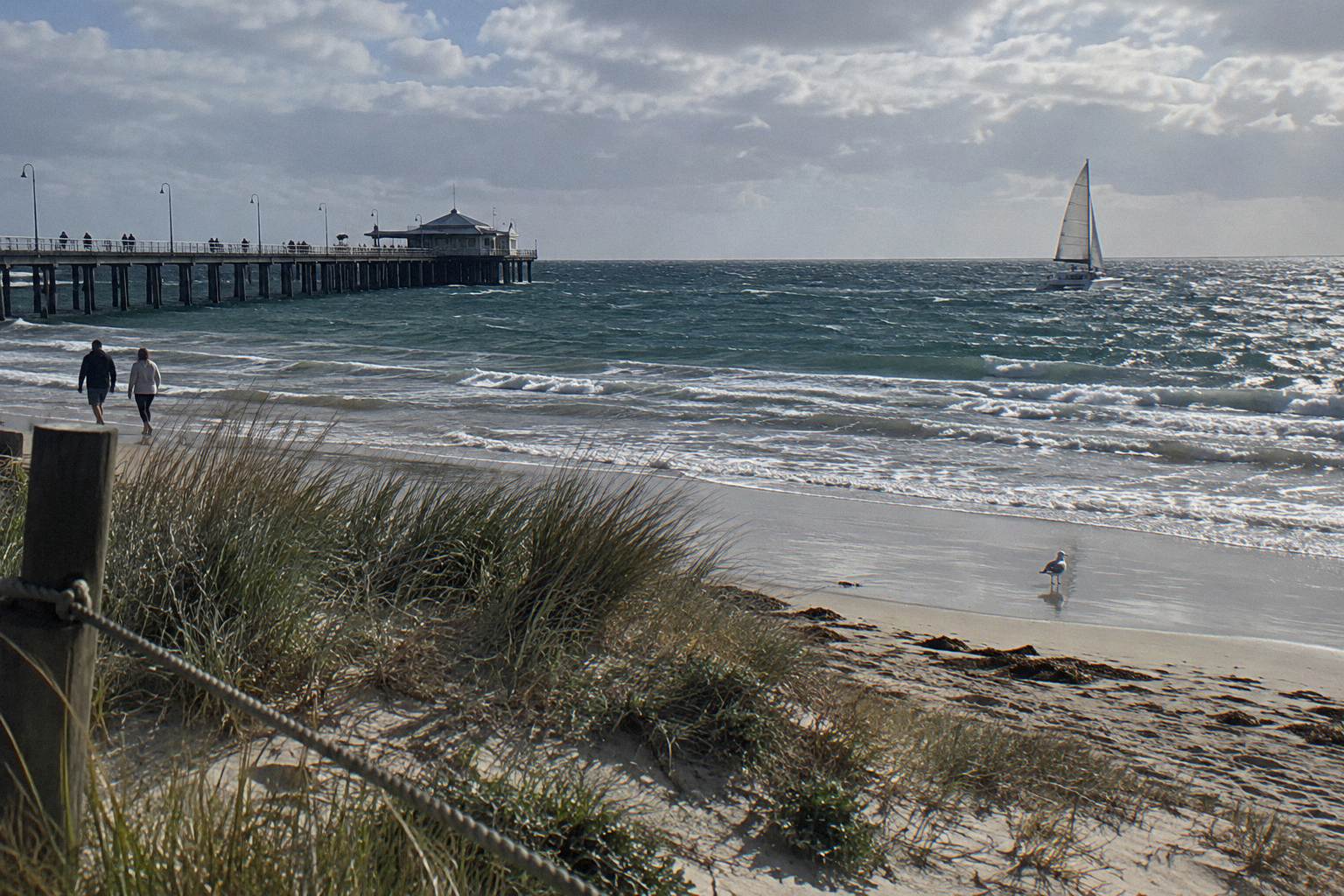
seatemperature.org lists Adelaide's monthly average sea temperature at 21.1 °C in January, peaking at 21.2 °C in February, and falling to 13.7 °C in August, the coldest month. November sits around 18 °C. These are generic Adelaide figures, not readings from the Glenelg swim area or Kangaroo Island, and they are the only temperature series worth quoting because no official Bureau of Meteorology monthly sea climatology for Adelaide was found.
The full monthly picture from seatemperature.org's Adelaide page looks like this. Read it as averages for generic Adelaide water: a warm month can throw warmer days, a cold month colder ones, and the actual spot your boat reaches on the day may sit either side of these numbers.
| Month | Average sea temperature (C) |
|---|---|
| January | 21.1 |
| February | 21.2 |
| March | 20.7 |
| April | 19.4 |
| May | 17.6 |
| June | 15.3 |
| July | 13.9 |
| August | 13.7 |
| September | 14.4 |
| October | 15.7 |
| November | 18.0 |
| December | 19.7 |
Two things jump out of that table. First, the seasonal swing is real but moderate, roughly seven degrees between the coldest and warmest month, so a summer swim is comfortable-water rather than warm-water. Second, spring warms up faster than most visitors expect: September to November moves from 14.4 °C to 18.0 °C, which is why November trips feel noticeably kinder than September ones.
Kangaroo Island's operator quotes its own figure rather than a public source. Kangaroo Island Ocean Safari states on its snorkelling safari page that its water temperature is between 14 and 15 degrees, with no month attached, and that the thick wetsuits it supplies allow guests to swim year round. That is the operator's own description of its conditions, not a seatemperature.org reading, and the two should not be mixed.
If you are weighing how the water feels against how the wetsuit answers it, the planning guide to Adelaide Swimming With Dolphins covers the seasonal side, and the detailed page on wetsuits and water temperature on a dolphin swim works through suit thickness month by month.
How The Wetsuit Changes The Cold Picture
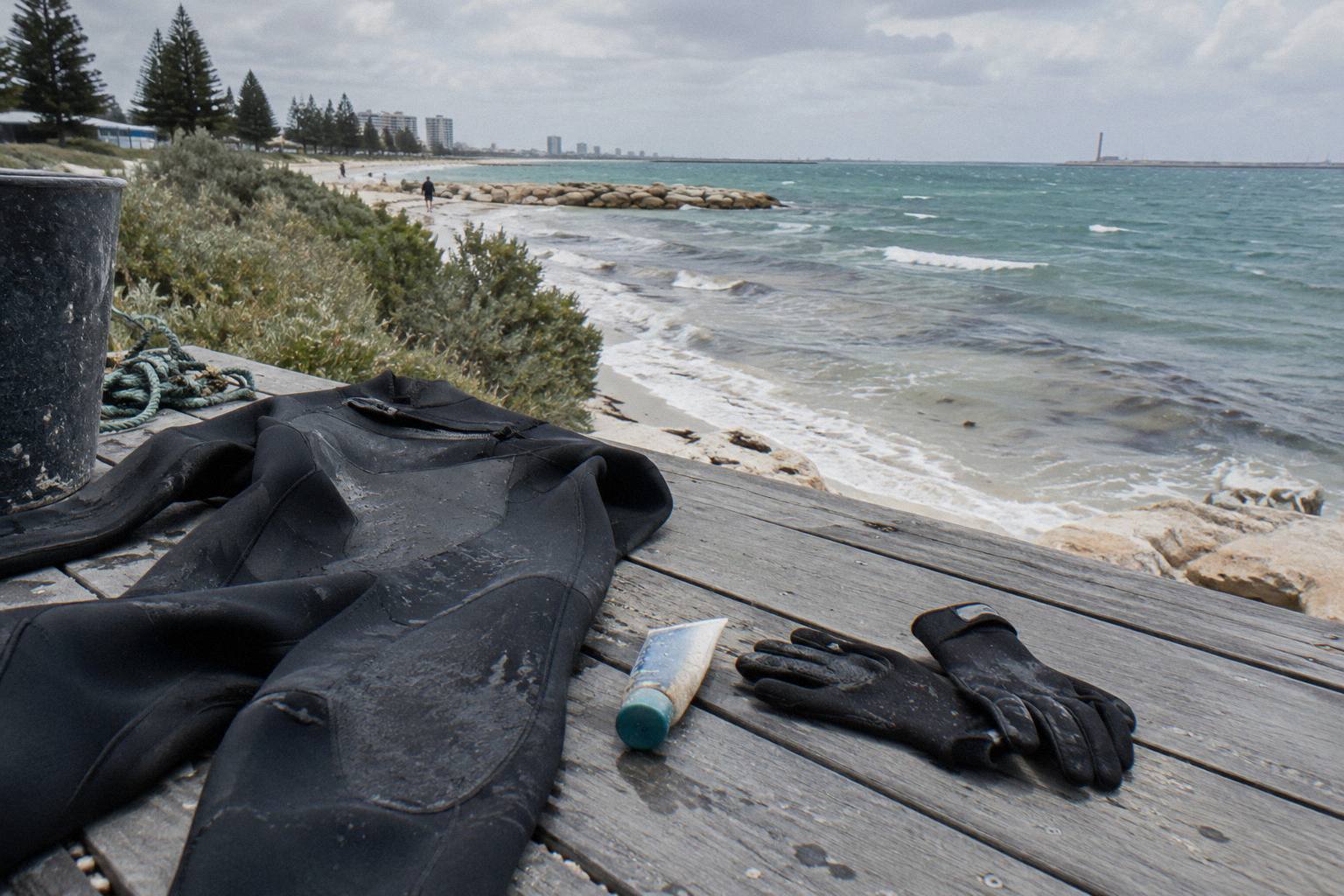
Both swim operators provide thick full wetsuits as standard. Temptation Sailing, the Glenelg operator, issues every swimmer a full-length 5 mm wetsuit that it describes as also acting as a full-body flotation device, in sizes up to 4XL. Kangaroo Island Ocean Safari supplies wetsuit, gloves, mask, snorkel and fins for its two-hour snorkelling safari and says the thickness is what makes year-round swimming possible.
The Glenelg setup is worth understanding in detail because it shapes the whole swim. Per the operator, each swimmer is fitted with the 5 mm suit on boarding, receives a roughly 15-minute crew briefing, and watches a mask and snorkel demonstration before the boat reaches the dolphins. Prescription masks are carried on board in -1.5, -3 and -4.5 strengths. Life jackets are on the vessel but are not used for the swim: the wetsuit itself is the flotation, and every swimmer holds a line connected to the stern while the boat moves slowly. It is a controlled swim behind the boat, not free swimming in open ocean, which matters for cold too, because you are never drifting alone while your suit does its work.
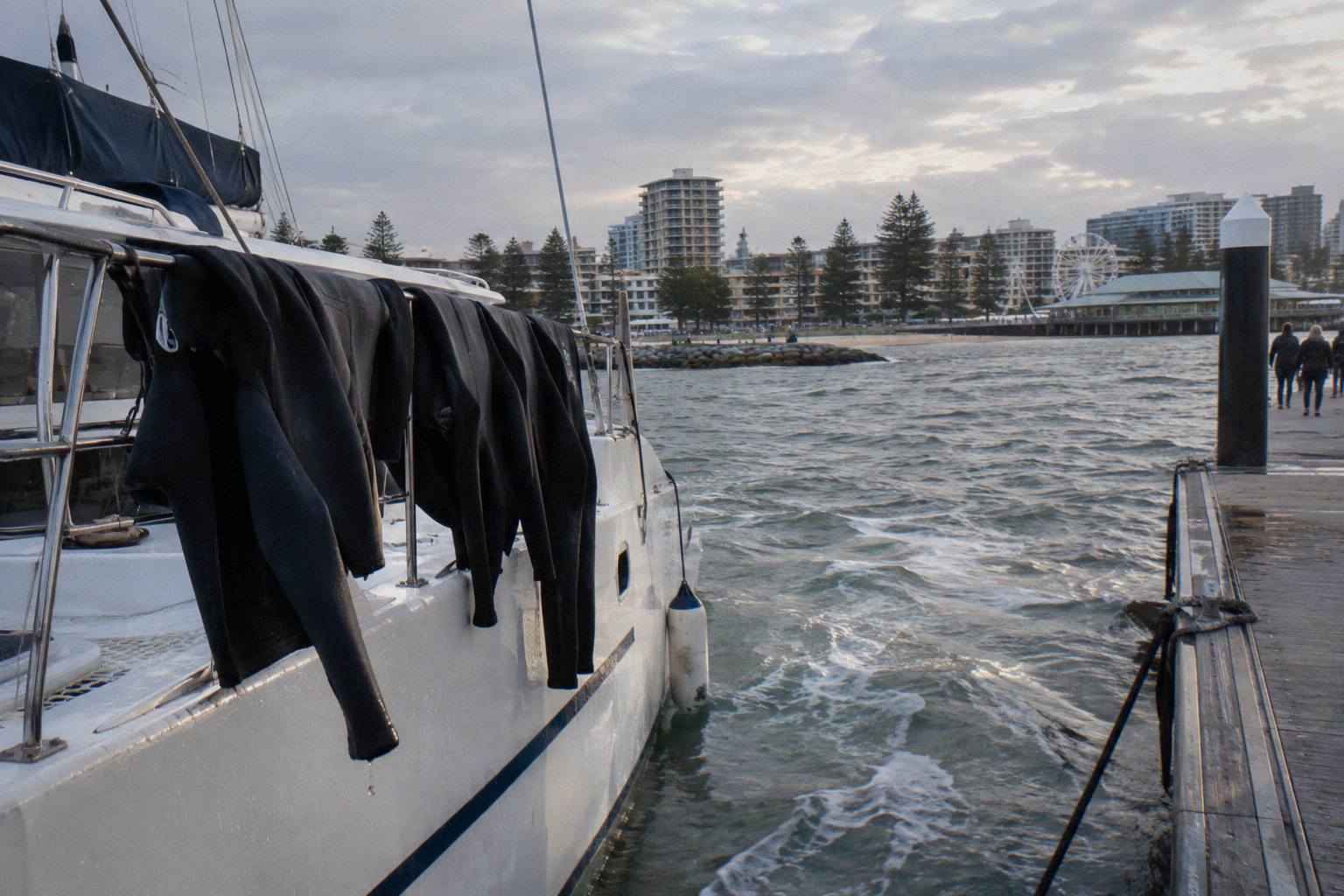
A 5 mm full suit is serious thermal protection. It is the kind of thickness used for extended dives in temperate water, and it changes the question from "will 16-degree water be cold" to "will my hands and face be cold", which is a much smaller problem. The Kangaroo Island operator goes further and adds gloves to its kit list, plus fins, which cover the two extremities that suffer first in cool water.
Neither operator prints a figure for how long each swimmer spends in the water, and no permit conditions on swimmer numbers or water time were found in any official source, so nothing can be said here about either. What is stated, by Temptation's own account, is that the crew rotates swimmers between two experiences, the Front Swim and the Back Swim, and puts swimmers in only once dolphins have turned toward the boat, stopping entries when the dolphins come too close. Rotation means nobody sits wet and waiting for the whole trip.
If even this level of protection sounds like more water than you want, the same operator runs a watch-only cruise from the same marina: the Wild Dolphin Watch From Glenelg is rated 4.8 across 409 reviews and costs from USD 62 per person, staying dry on deck while the swimmers go in beside you. It is the simplest answer to the cold question that still puts you over the dolphins.
Do You Get Cold After A Dolphin Swim?
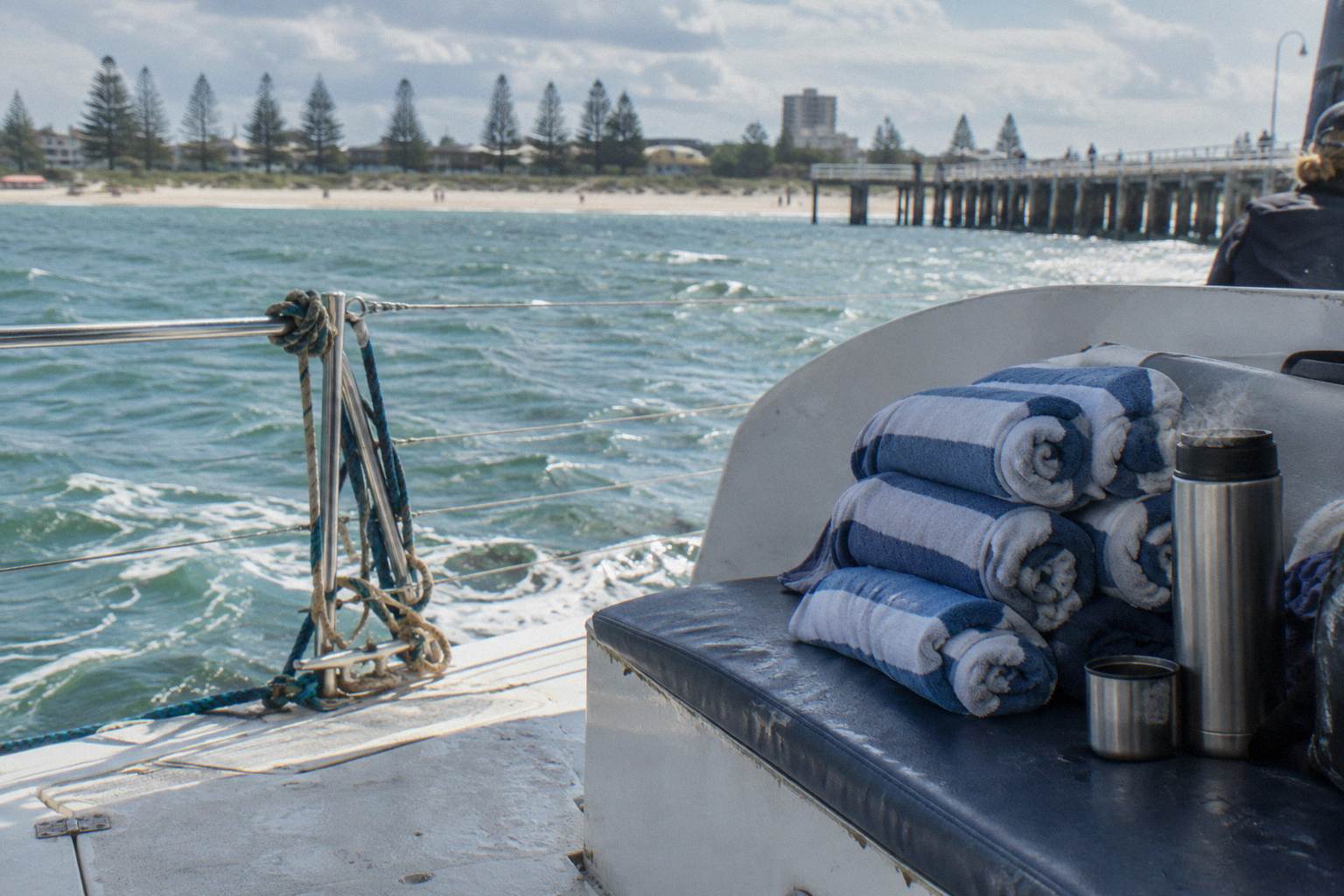
Once you are out of the water, the honest answer is that nobody can promise warmth, because the operators publish nothing about towels, hot drinks, showers, heating or warm-up facilities on either swim boat. What is verifiable is that Temptation's trip runs about 4 hours with a return to the marina between 11:30am and midday, and its suits come off only when the boat is back, so the cold window after swimming is bounded by the ride home.
That gap in the published information deserves to be said once, plainly, because it is the question nobody answers on a booking page. Neither the Glenelg operator's FAQ and pricing pages nor the Kangaroo Island safari page states anything about post-swim towels, hot showers, heated cabins or warm drinks. Guests who run cold should assume none of it is guaranteed, pack accordingly, and treat anything offered on the day as a bonus rather than a promise.
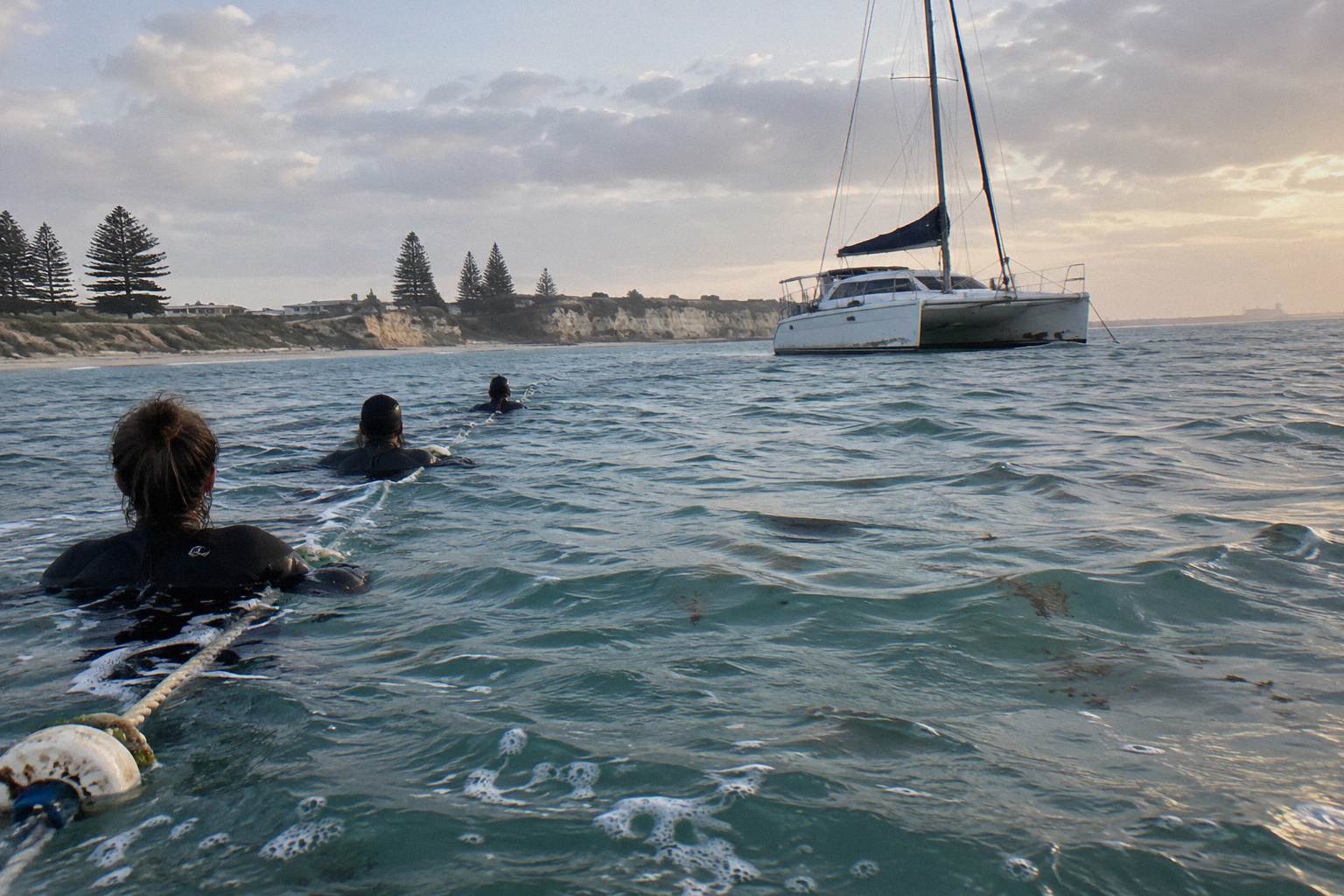
What you can plan around is the structure of the trip. Temptation boards at Marina Pier, Holdfast Shores Marina, Glenelg, with boarding starting 15 minutes before a morning departure, and the boat is a 58 ft sailing catamaran surveyed for up to 50 passengers. Swimmers stay in their suits for the controlled swims and rotate through Front Swim and Back Swim experiences. After the last rotation, the remaining time is a boat ride in a wet suit with whatever wind is blowing, and the operator's own note that water temperatures are often 3 to 4 °C cooler than on land hints at how the air on deck can feel too.
Practical preparation is the part you control. Dry clothes waiting at the marina, a towel in your bag, a windproof layer for the ride in: none of it is supplied or stated by the operators, all of it fits in a day pack, and all of it is the difference between a cold half hour and a comfortable one. The site's guide on what to wear and bring for a wild dolphin swim lists this out in full, including the items reviewers most often wish they had packed.
Does The Water Feel Colder Than The Land?
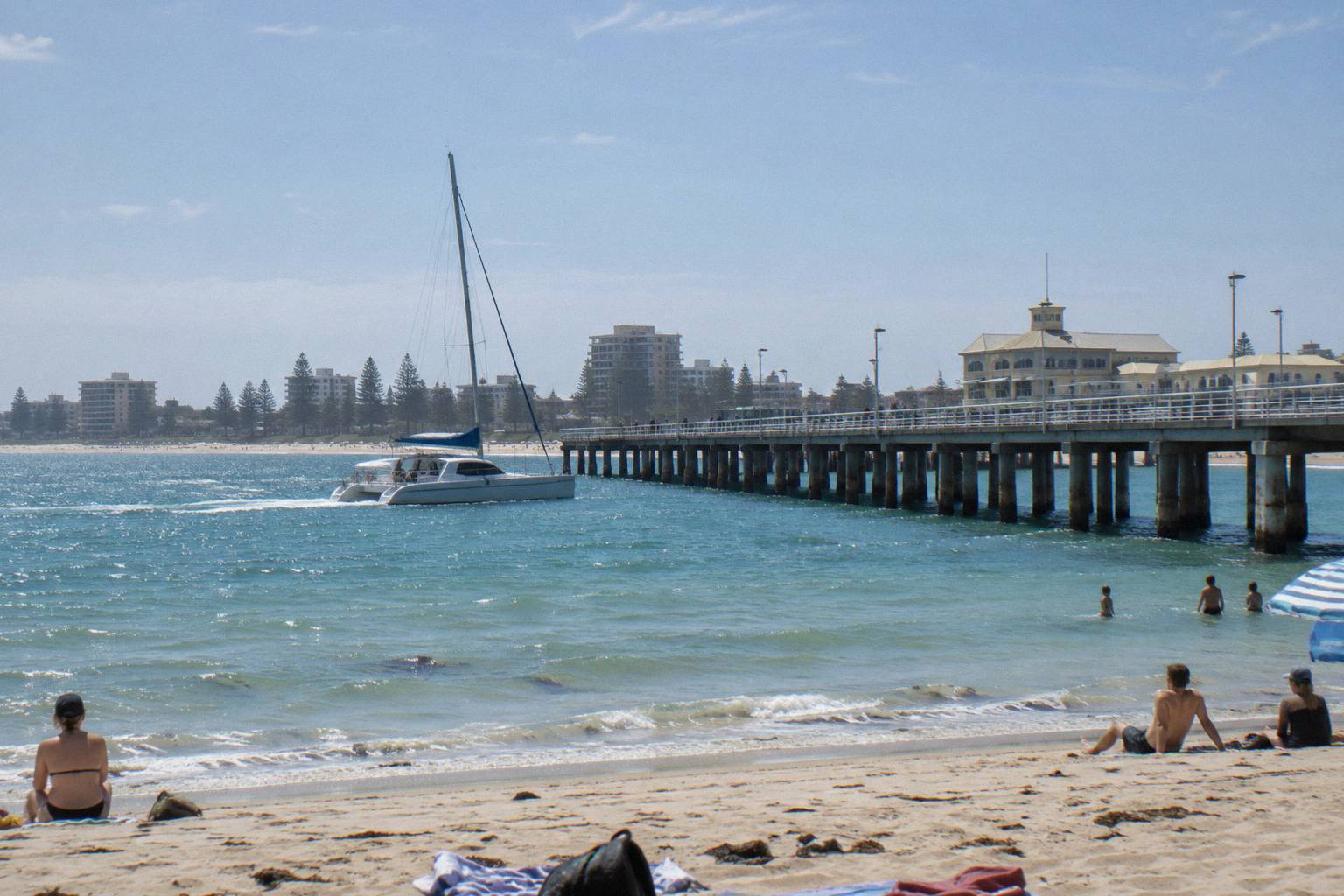
Yes, by a measurable margin on hot days at least. Temptation states that temperatures on the water are often 3 to 4 °C cooler than on land, in the context of explaining why its tours still run on very hot Adelaide days. That single operator statement is the only verified land-versus-water comparison for these trips, and it works in both directions: relief in a heatwave, a chill factor on a mild morning.
The context matters. The operator's heat policy, on its own cancellation page, is that tours run on hot days and can be rescheduled only with 24 hours or more notice, and the cooler-on-the-water note is its reassurance to guests worried about boarding in very hot weather. Read in reverse, the same gap means a mild spring morning can meet you on deck several degrees cooler still once wind chill is added to wet skin, which lines up with the seatemperature.org November average of around 18 °C for the water itself.
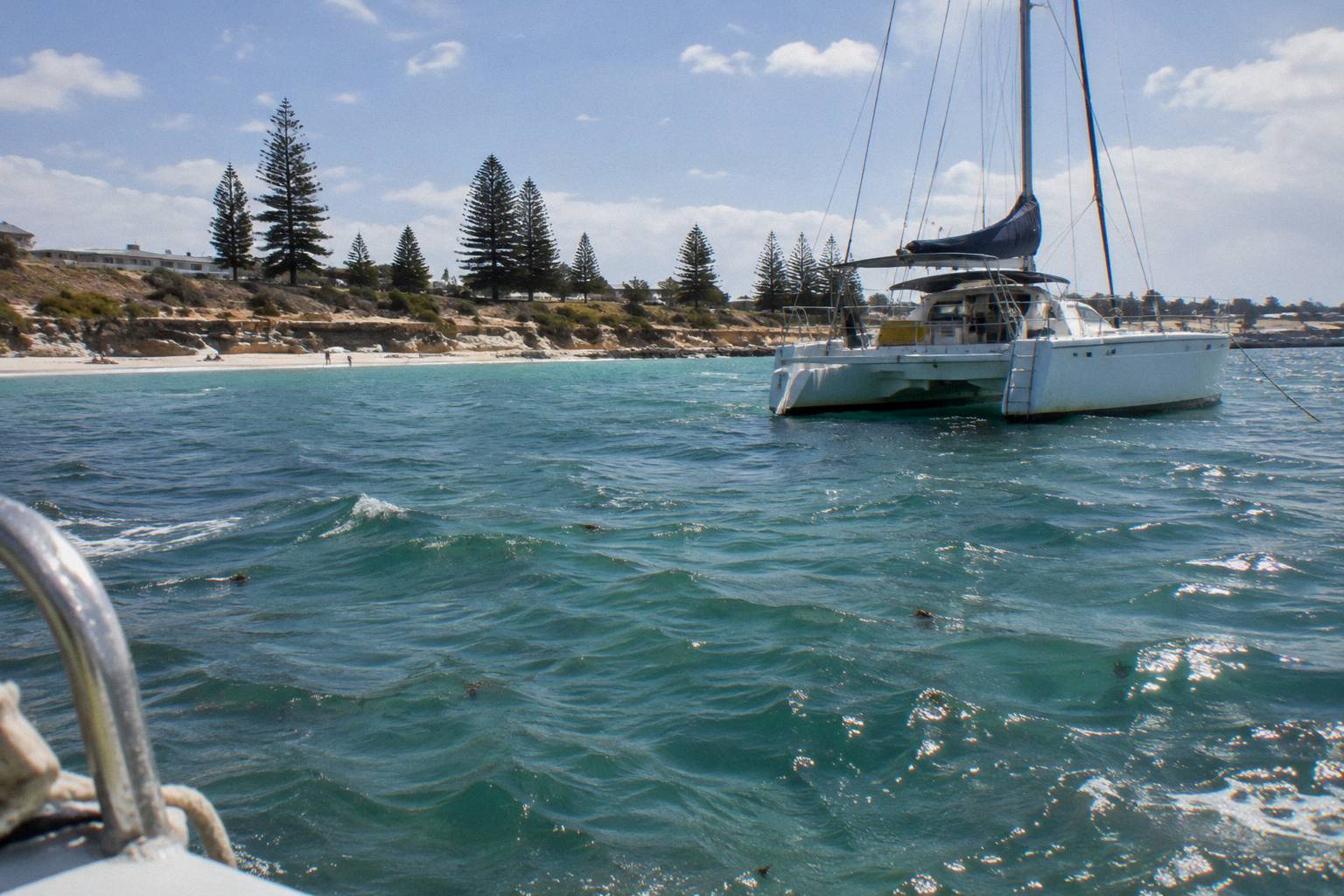
Wind is the multiplier the tables cannot show. A catamaran moving at cruise speed creates its own breeze, and a swimmer in a wet 5 mm suit on the windward rail loses heat faster than the same swimmer sitting sheltered aft. Nothing in the operators' published material quantifies this, so it stays as a planning observation rather than a number: pick a sheltered spot, keep the suit on until the marina, and let the suit do the insulation it was sized for.
There is one more official angle worth knowing. South Australia's algal bloom advice page notes that if the water is clear it is fine to swim, and the health advice recommends staying away from foamy or abnormally coloured water and rinsing afterwards, none of it temperature-related but all of it sensible on the same checklist as your towel.
What About Winter And The Off Season?
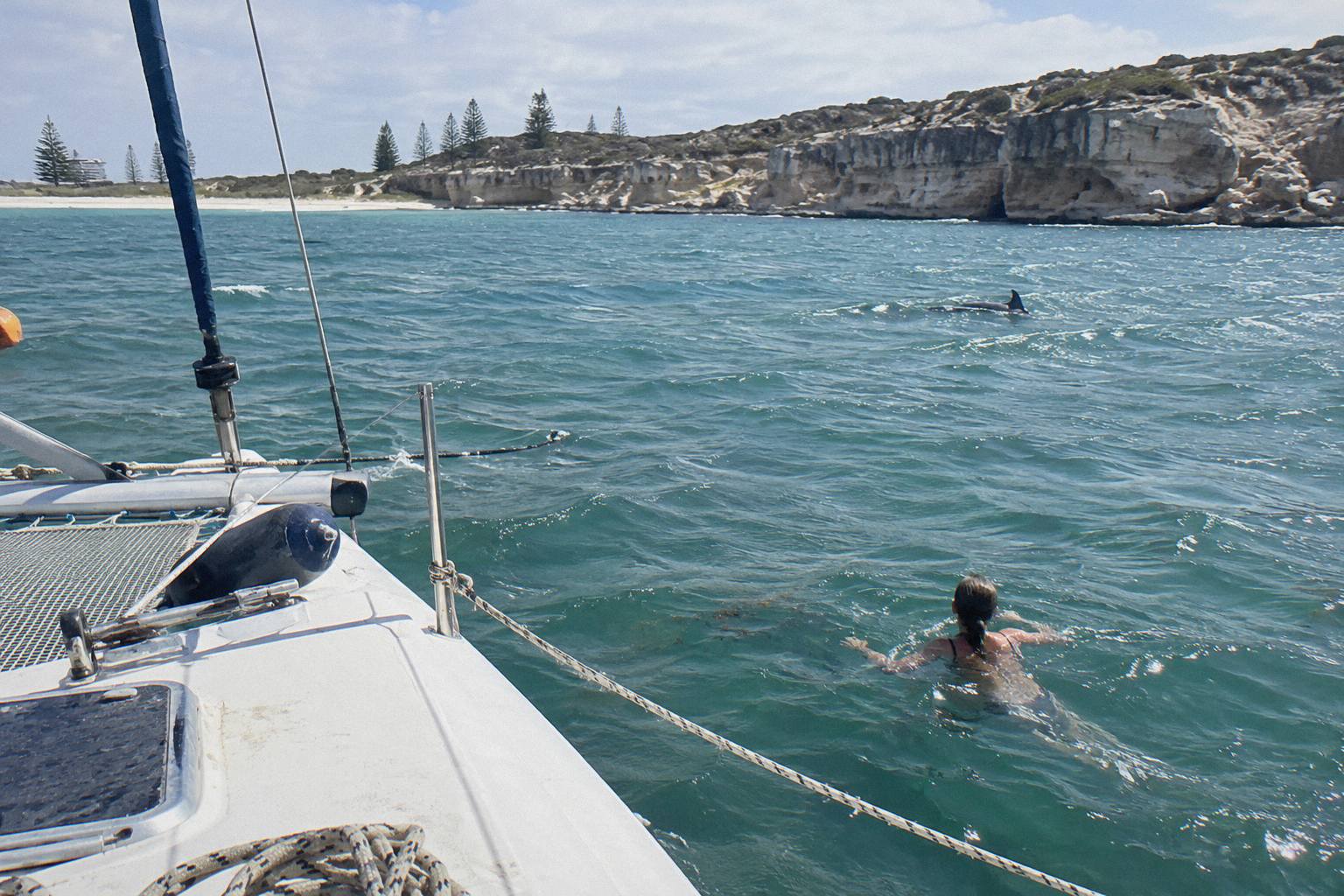
The two swim operators take opposite approaches to the cold months. Temptation Sailing runs its Glenelg dolphin cruises from September to April and states plainly that it does not operate in the cooler months, May to August. Kangaroo Island Ocean Safari runs its snorkelling safari year round and says its thick wetsuits are exactly what makes that possible in water it describes as 14 to 15 degrees.
So the calendar does part of the work for you. If you are swimming from Glenelg between September and April, the worst month you can encounter is September's 14.4 °C average, and the season's start is also when the algal bloom concentration is assessed, per the operator's FAQ. The middle of the Glenelg season, December through March, sits between 19.7 °C and 21.2 °C, the kindest water of the year. The full seasonal picture, including how it interacts with booking lead times, is in the guide to the best time of year for a wild dolphin swim.
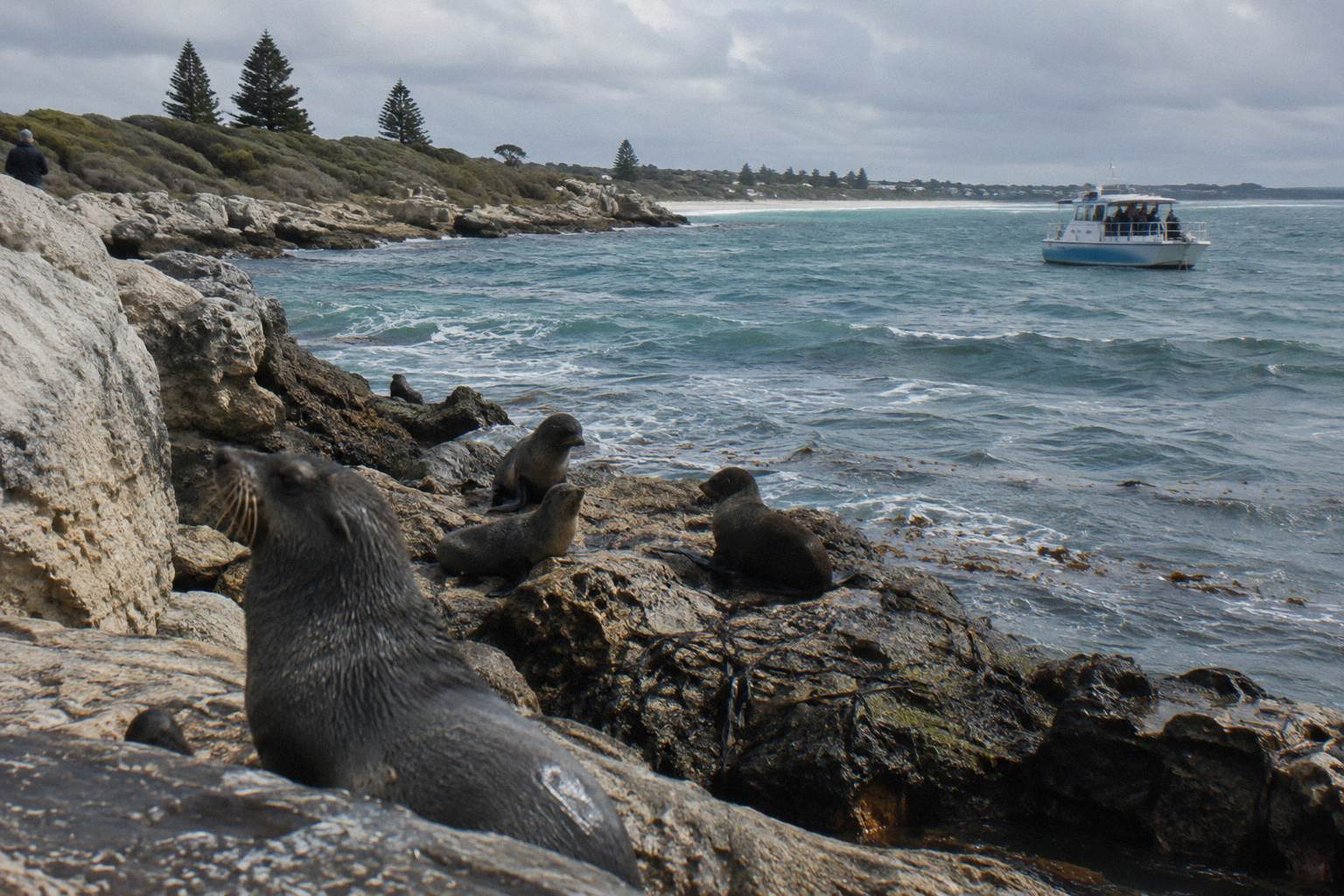
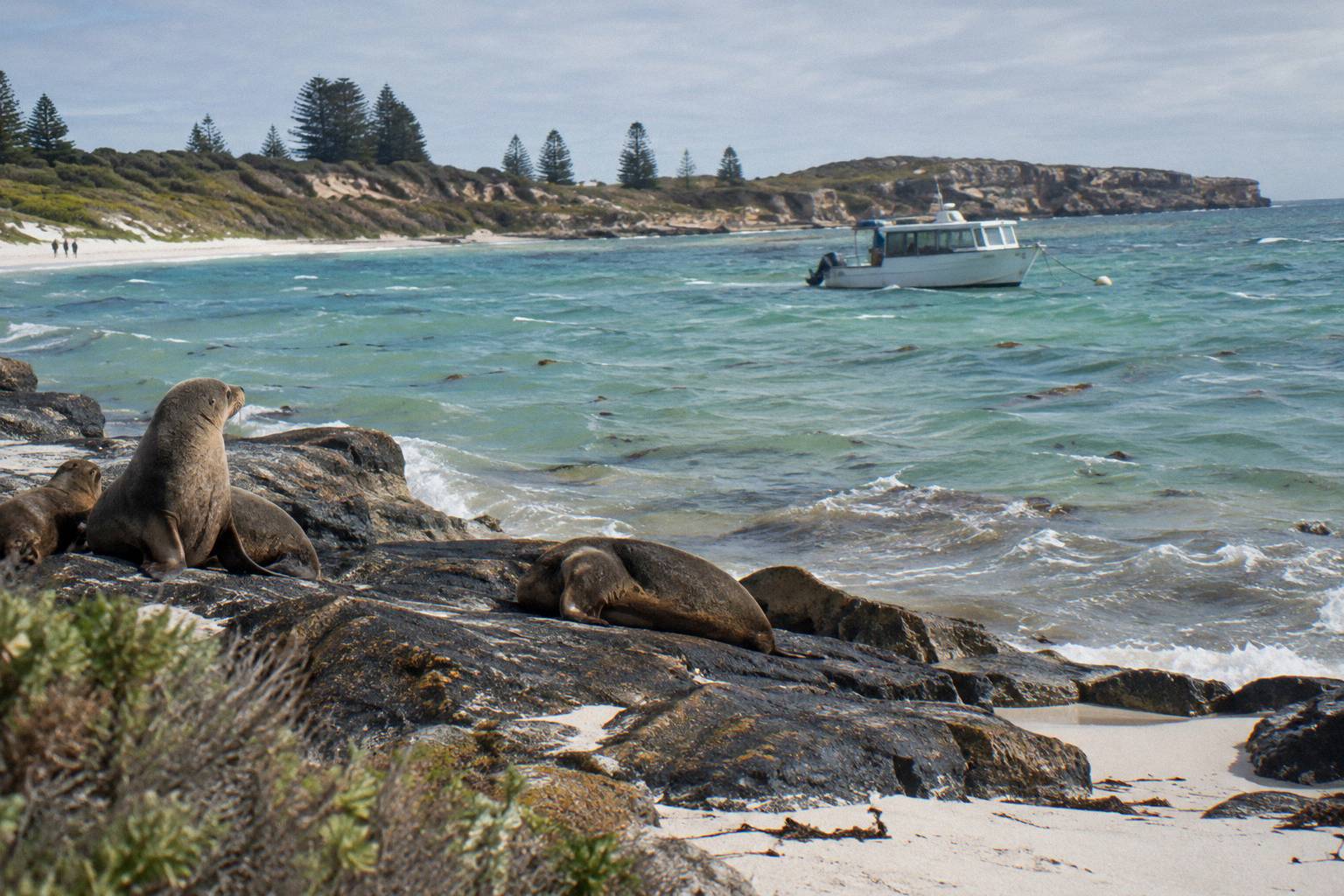
Kangaroo Island is the winter option, and it is honest about the trade. The operator's own wording is that water temperature is between 14 and 15 degrees, with no month given, and that the supplied thick wetsuits allow participation year round. It adds gloves to the kit, which the Glenelg operator does not list. Against that, its dolphins are present year-round in the island's waters, per its FAQ, while seal numbers peak in winter and are at their lowest from November to January.
One caution applies to both. Kangaroo Island's booking page states the swim does not run when the pod has neonates, and its terms are strict on refunds once you are in the water, so a winter booking there carries more schedule risk than a summer one from Glenelg, whatever the temperature.
Does Cold Affect Kids And Nervous Swimmers Differently?
Both swim operators set a minimum age of 9 for the swim, and Temptation requires a parent or guardian on board for anyone under 18. The operator's stated arrangements give cold-worried swimmers two exits: a nervous swimmer can stay aboard as a watcher after the briefing, and under-9s and non-swimmers can ride the same boat on a watch ticket, so nobody in a family group is forced into cool water.
The nervous-swimmer exit at Glenelg is more generous than most people expect. Per the operator, if a swimmer does not feel confident after the roughly 15-minute briefing, they may stay aboard as a watcher for the rest of the trip, and for bookings made direct with the operator the swim-minus-watch price difference is refunded. That removes the "trapped in cold water" scenario entirely: the decision point comes after you have seen the suit, the ladder and the line, not before. The full mechanics are laid out in dolphin swims for non-swimmers and weak swimmers.
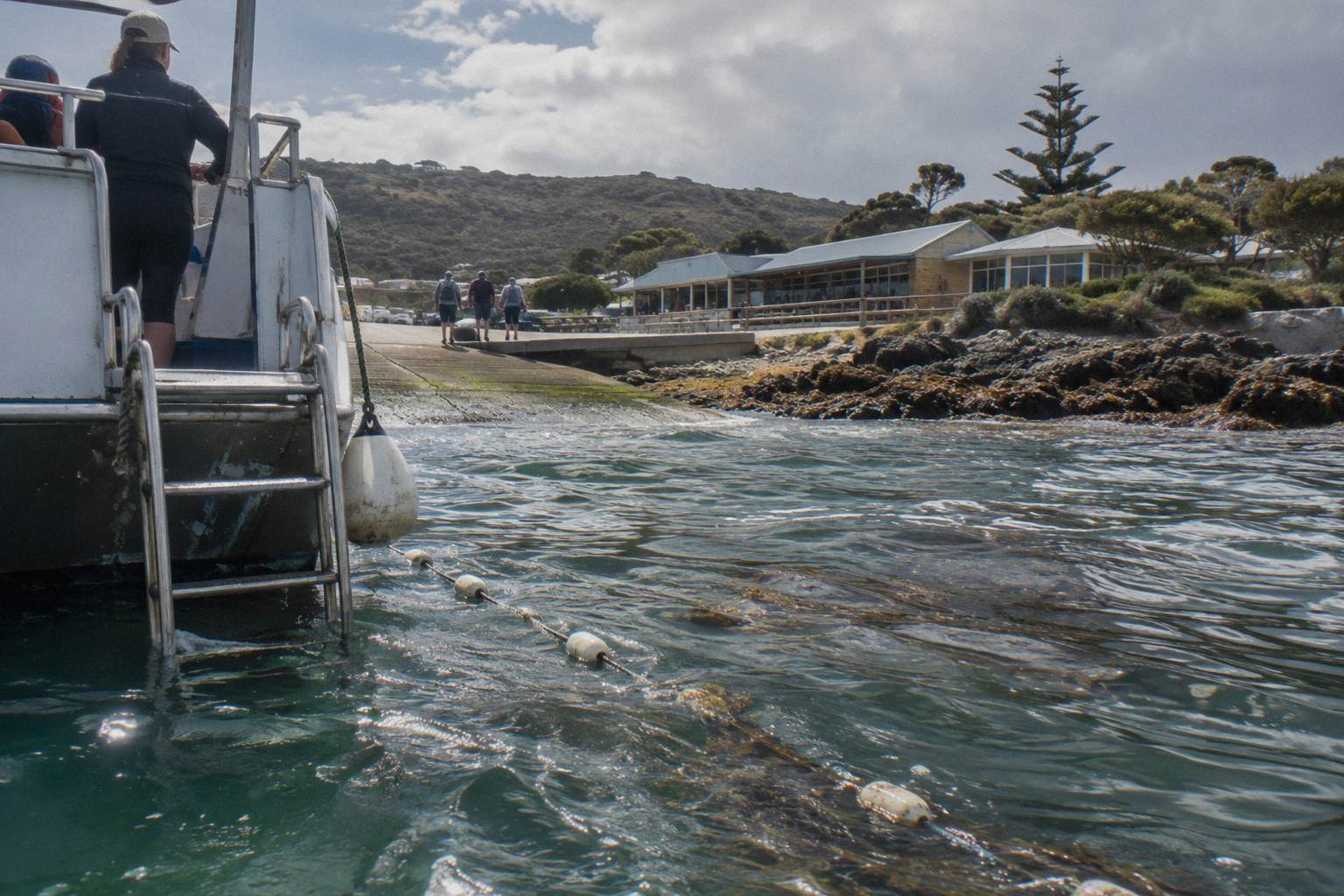
The physical requirements are also cold-relevant, because they describe how you get out. Temptation says swimmers must be able to hold the flotation line while towed slowly and climb the three rungs of the stern ladder. Kangaroo Island's operator says its swimmer line with buoys needs upper body strength and the ladder exit needs lower body strength. Climbing a ladder in a waterlogged wetsuit is the most demanding moment of the trip, and it arrives exactly when you are coldest, so it deserves a mention in any honest cold-weather briefing.
Medical restrictions can narrow the choices further. Pacemaker wearers should ask the operator before booking, per the Glenelg operator's own guidance, and the Kangaroo Island swim is listed as unsuitable with a pacemaker or pregnancy. Neither restriction is about cold, but both shrink the set of trips available to some travellers, and the detail is in the guide to fitness and medical conditions for a dolphin swim.
If you would rather stay dry altogether and still be on the water among dolphins, there is a third format: the Dolphin Sanctuary Kayak Tour in the Port River, rated 4.8 across 300 reviews from USD 54.72 per person, where you paddle rather than swim and the worst that can happen is a splash.
Which Trip Suits You If Cold Is Your Main Worry?
If cold is the deciding factor, the gentlest option is a watch-only cruise, from USD 62 from Glenelg, fully dry. Of the two swims, Glenelg between December and March offers the warmest water, 19.7 °C to 21.2 °C, with a 5 mm suit provided on a roughly 4-hour trip from USD 104. Kangaroo Island runs year round in 14 to 15 degree water with suits and gloves supplied, from USD 132.
Here is the comparison in one place, using only roster prices and each operator's own published statements.
| Trip | Format | Listed price | Rating | Cold protection stated |
|---|---|---|---|---|
| Wild Dolphin Swim From Glenelg (Temptation) | Swim | from USD 104 | 4.7, 493 reviews | Full-length 5 mm wetsuit provided, sizes to 4XL |
| Kangaroo Island Ocean Safari Swim | Swim | from USD 132 | 4.4, 137 reviews | Thick wetsuit, gloves, mask, snorkel and fins provided |
| Wild Dolphin Watch From Glenelg | Watch only | from USD 62 | 4.8, 409 reviews | None needed, stays on deck |
| Port River Dolphin Cruise | Watch only | from USD 60 | 4.5, 481 reviews | None needed, stays on board |
| Dolphin Sanctuary Kayak Tour | Paddle only | from USD 54.72 | 4.8, 300 reviews | None stated; you stay in the kayak |
The pattern is straightforward. The two watch cruises and the kayak tour remove cold from the equation for a lower price and a shorter time commitment, at the cost of never being in the water with the dolphins. The two swims cost more and get you in the water, and both answer the temperature with provided thermal gear rather than by waiting for warmth that does not exist at this latitude.
Timing within the season does the rest. A February or March Glenelg swim pairs the year's warmest water with the operator's full 5 mm kit, which is as comfortable as a wild dolphin swim in South Australia gets. A September booking sits at the season's coldest, 14.4 °C on average, and suits swimmers who already know they handle cool water well. November, around 18 °C, splits the difference and is a reasonable target for a first temperate-water swim.
Whichever you choose, the booking-side terms matter as much as the thermal ones. Both Glenelg trips and the Kangaroo Island safari listing show free cancellation up to 24 hours before departure; the Kangaroo Island Dolphin Watch is the one non-refundable roster item, worth knowing if your cold tolerance might change your mind. Check availability on the live listing before committing, and if a bloom, wind or forecast question is nagging you, ask the operator directly: the Glenelg operator's own FAQ invites exactly that kind of question before you book.
Common Questions About Getting Cold After A Dolphin Swim
Do You Get Cold After A Dolphin Swim?
You can, especially in the half hour after climbing out, because neither operator publishes anything about towels, hot drinks, showers, heating or warm-up facilities. A dry change of clothes and a towel packed for the marina are the reliable fix, and keeping the wetsuit on until the boat docks helps.
How Cold Is The Water For A Dolphin Swim In Adelaide?
seatemperature.org lists Adelaide's average sea temperature from around 14 °C in August to around 21 °C in February, with November around 18 °C. Kangaroo Island Ocean Safari describes its own water as 14 to 15 degrees, with no month attached.
Do The Operators Provide Wetsuits?
Yes. Temptation Sailing provides every Glenelg swimmer a full-length 5 mm wetsuit, described by the operator as also acting as a flotation device, in sizes up to 4XL. Kangaroo Island Ocean Safari provides wetsuit, gloves, mask, snorkel and fins.
Is The Water Colder Than The Land?
On hot days, yes. The Glenelg operator states that temperatures on the water are often 3 to 4 °C cooler than on land. No other verified land-versus-water comparison exists for these trips.
Can You Do A Dolphin Trip Without Getting In The Water?
Yes. The Wild Dolphin Watch From Glenelg costs from USD 62 and stays on deck, the Port River Dolphin Cruise from USD 60 stays on board, and a nervous swimmer on the Glenelg swim boat may stay aboard as a watcher after the briefing.
What Is The Warmest Month For A Glenelg Dolphin Swim?
February, with an average sea temperature of 21.2 °C, followed closely by January at 21.1 °C and March at 20.7 °C. The Glenelg season runs September to April.